Home › Construction Site Erosion Control Hydroseeding
Our construction erosion control hydroseeding in San Antonio, TX helps contractors stabilize disturbed soil fast. We apply mulch and seed blends for temporary or permanent cover that supports SWPPP and NPDES compliance. Protect your site from sediment loss and inspection issues.
Legendary Hydroseeding San Antonio provides professional construction erosion control hydroseeding throughout San Antonio, TX, Texas and the surrounding area. Our licensed, insured crew delivers safe, clean, on-time work with a free estimate before anything begins. Call 830-590-1696 or request your free quote.
Hydroseeding erosion control that fits San Antonio construction reality
On an active construction site around San Antonio, erosion control is not just a permit box to check. You are dealing with caliche, thin topsoil, sudden gully‑washers, and long dry spells. Legendary Hydroseeding San Antonio designs construction erosion control hydroseeding specifically for these conditions so slopes hold, sediment stays out of streets and inlets, and inspectors sign off.
For construction projects, hydroseeding is used to create a fast, stable vegetative cover on exposed soil. We spray a slurry that usually includes seed, mulch, water, a tackifier (a glue that helps it stick), and sometimes soil amendments or fertilizer. The mix is tailored to your site: cut slopes, fill slopes, stockpiles, detention ponds, and disturbed flats all behave differently and need different coverage rates.
Our focus is practical: meet your SWPPP requirements, reduce rework after storms, and keep your trades working without constant mud and ruts. We work with general contractors, sitework crews, utility contractors, and developers across San Antonio and the Hill Country fringe, so we understand the schedule pressure and inspection requirements you face.
How construction erosion control hydroseeding is actually done
A typical construction erosion control hydroseeding job with Legendary Hydroseeding San Antonio follows a clear sequence so you know what is happening and when.
1) Site review and plan coordination: We start by reviewing your grading plan, drainage patterns, and any SWPPP or civil drawings that show seed mix specs or coverage rates. If your plans do not specify a hydroseed mix, we recommend options that satisfy local regulations and your project goals.
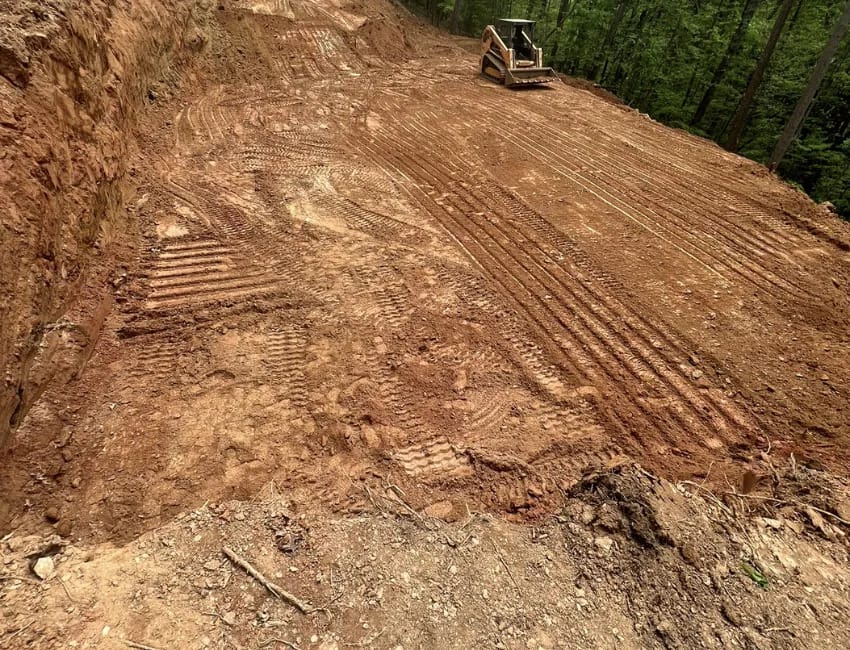
2) Surface preparation: Hydroseed is not magic. The soil surface must be reasonably smooth, free of trash, and not deeply compacted on top. On most San Antonio sites we ask for final grading and rough track‑walking on steeper slopes (running the dozer or track loader up and down, not sideways) to create micro‑grooves that help the slurry lock in. If crusted caliche is exposed, we may recommend scarifying or importing a thin layer of topsoil on problem areas.
3) Mix design: For construction erosion control hydroseeding, the mix is different from a homeowner lawn blend. We often use native or adapted grasses and annual quick‑cover species so you get fast green cover plus longer‑term stabilization. We adjust mulch type and rate to match your slopes and storm risk. Steeper or highly erodible slopes get heavier mulch and stronger tackifier so it does not sheet off in the first thunderstorm.
4) Application: Our crew loads the tank on site with water, mulch, seed, tackifier, and any fertilizer or soil amendments called for. Using hoses or turret nozzles, we apply the slurry in even passes, starting at the top of slopes and working down so the material overlaps slightly. Edges near pavements, inlets, and structures get special attention, because these are the first places inspectors look and the first places to fail if they are thin.
5) Final walk‑through and notes: After application, we walk the site with your superintendent or foreman when possible, pointing out areas that will need extra protection (like high‑flow channels or outlet structures) or potential touch‑ups. We leave simple watering and traffic‑control instructions so other trades know what to avoid.
What goes into the mix and why it matters on San Antonio sites
On construction projects, not all hydroseed mixes behave the same, particularly in our Central Texas climate where you can get a downpour one week and no rain for a month. Legendary Hydroseeding San Antonio builds mixes that respect that reality.
Seed choices: For erosion control, we usually blend fast‑germinating cover species with tougher, deeper‑rooted grasses for long‑term hold. On many San Antonio sites this might mean annual rye or sterile cover species for quick green plus buffalo grass, blue grama, sideoats grama, or other adapted natives for persistence. If your project has TxDOT or city‑specified seed mixes, we follow those exactly and provide documentation for your records.
Mulch options: Hydromulch is more than just green fiber. Wood fiber mulch holds more water and clings better on slopes, which matters on our hard clay and caliche cuts. Paper mulch is more economical on flatter areas or short‑term stabilization. For critical slopes, we may specify a bonded fiber matrix, which is applied by hydroseeder but cures into a web that resists high‑intensity rainfall.
Tackifiers and soil amendments: Tackifiers are the glue that keeps everything in place until roots take over. We vary the rate based on slope, exposure, and time of year. If your soil tests or past experience show high pH or very low organic matter, we may add gypsum, composted material, or starter fertilizer to improve establishment. In San Antonio, many sites scraped to caliche benefit from at least a light nutrient boost so vegetation can establish before summer heat.
Coverage rates: Cheap bids often come from under‑applying mulch and seed. For construction erosion control hydroseeding, coverage rate is what makes or breaks performance. We specify and apply the pounds per acre appropriate for your slopes and mix, and we are transparent about those numbers on our proposals so you can compare apples to apples.
Cost, schedules, and common problems on active job sites
Construction erosion control hydroseeding pricing depends on more than just acreage. When Legendary Hydroseeding San Antonio bids a project, we look at several cost drivers so you understand where the number comes from.
Key cost factors: Total square footage, slope steepness, access for the hydroseeder, mulch type and rate, seed mix requirements, and water availability all affect price. Steep or difficult‑to‑reach slopes often require more hose work and higher mulch rates, which costs more than open, gently rolling areas that we can spray from the truck. Projects inside the loop where access is tight can take more labor time than wide‑open outskirts sites.
Water and logistics: Our hydroseeding units need a reliable water source. On many San Antonio sites that means a meter, fire hydrant permit, or on‑site storage tank. If we must haul water long distances or stage multiple fills, we include that in the bid so you are not surprised later. Clear staging areas for the truck reduce time and cost.
Common problems and how we handle them: The most frequent issue on construction sites is damage from other trades. Ruts from equipment running across freshly hydroseeded slopes, trenching for late utilities, or spoils pushed over seeded areas can all break the cover. We plan around heavy traffic areas where possible and are available for touch‑ups when disruption is unavoidable.
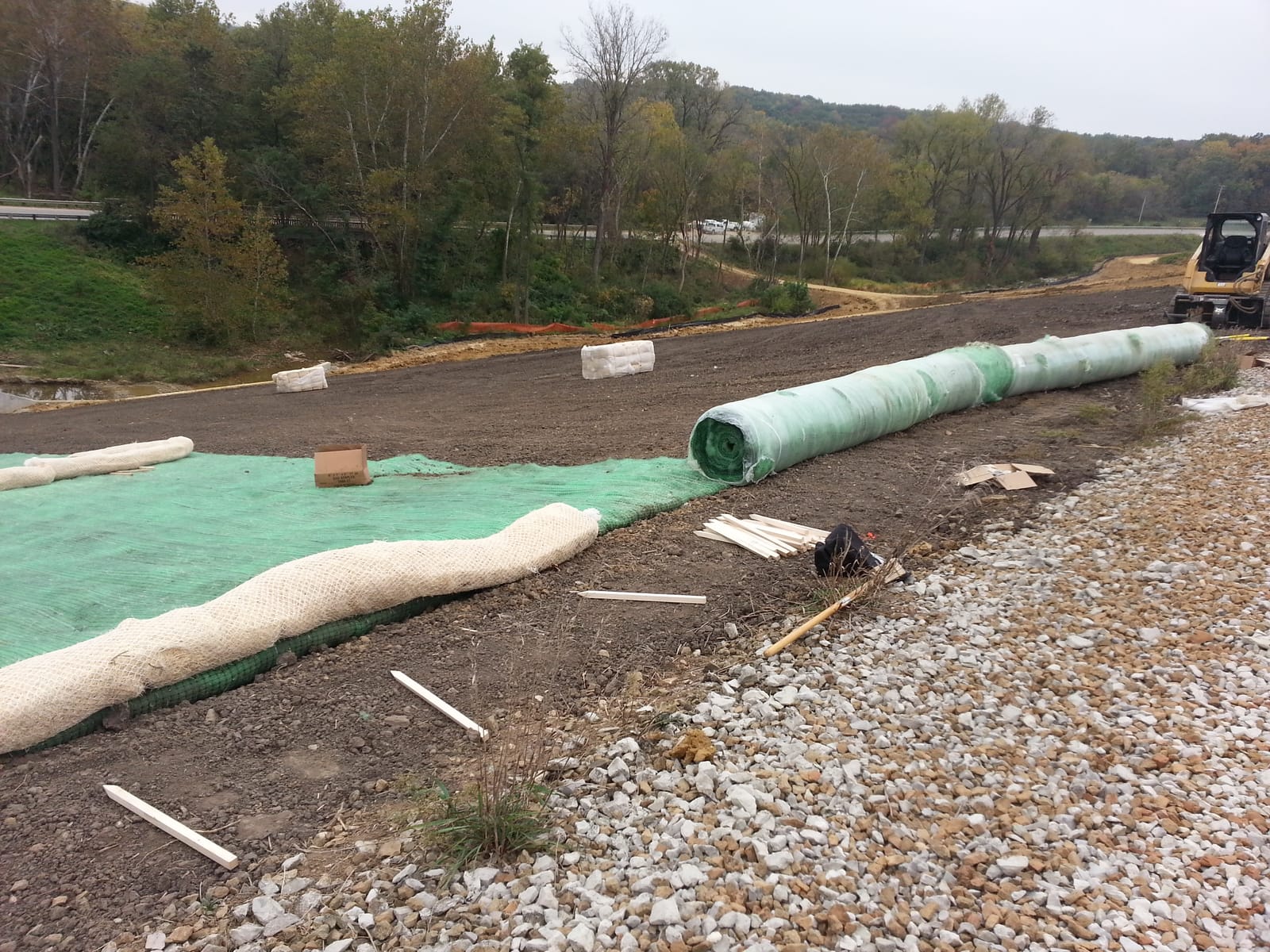
Storms before establishment are another concern. A heavy gully‑washer can cut channels or wash material off extremely steep unvegetated slopes. To reduce risk, we may recommend combining hydroseeding with additional controls on critical areas, such as erosion control blankets, check dams, or rock at inlets. If a storm hits early and failure occurs, we can return to repair specific sections instead of redoing the entire site.
Working with inspectors and planning the right time to hydroseed
On commercial and subdivision projects in San Antonio, passing erosion inspections and staying in compliance can be as important as finishing the paving. Legendary Hydroseeding San Antonio works within your SWPPP framework instead of treating hydroseeding as an afterthought.
Coordination with your team: We communicate with your superintendent or project manager about target dates, inspection schedules, and areas that must be stabilized first, such as perimeter slopes or detention ponds. If your civil engineer or environmental consultant has specific notes on seed mixes, coverage rates, or inspection photos, we align with those so there are no conflicts.
Timing and seasons: Hydroseeding can be done most of the year here, but expectations must match the season. Spring and fall usually give the best germination, with moderate temperatures and more consistent rainfall. Summer jobs can succeed but may need more irrigation if you want fast green cover, especially on south‑facing cuts that bake in the sun. Winter seeding can still provide erosion control through mulch and tackifier, with many species germinating as temperatures warm.
What you should know before hiring: Ask any hydroseeding contractor for specific coverage rates, seed mix details, and how they handle site access and water. Get clarity on how they coordinate with your schedule and what their policy is on touch‑ups if heavy equipment damages newly seeded areas. Make sure they have real experience with construction erosion control hydroseeding, not just residential lawns, because the installation methods and mix designs are not the same.
If you are planning a project anywhere in the San Antonio area or nearby Hill Country, contacting Legendary Hydroseeding San Antonio early in your schedule helps you avoid last‑minute erosion control rushes and potential inspection delays.