Home › Slope, Embankment, and Retention Pond Hydroseeding
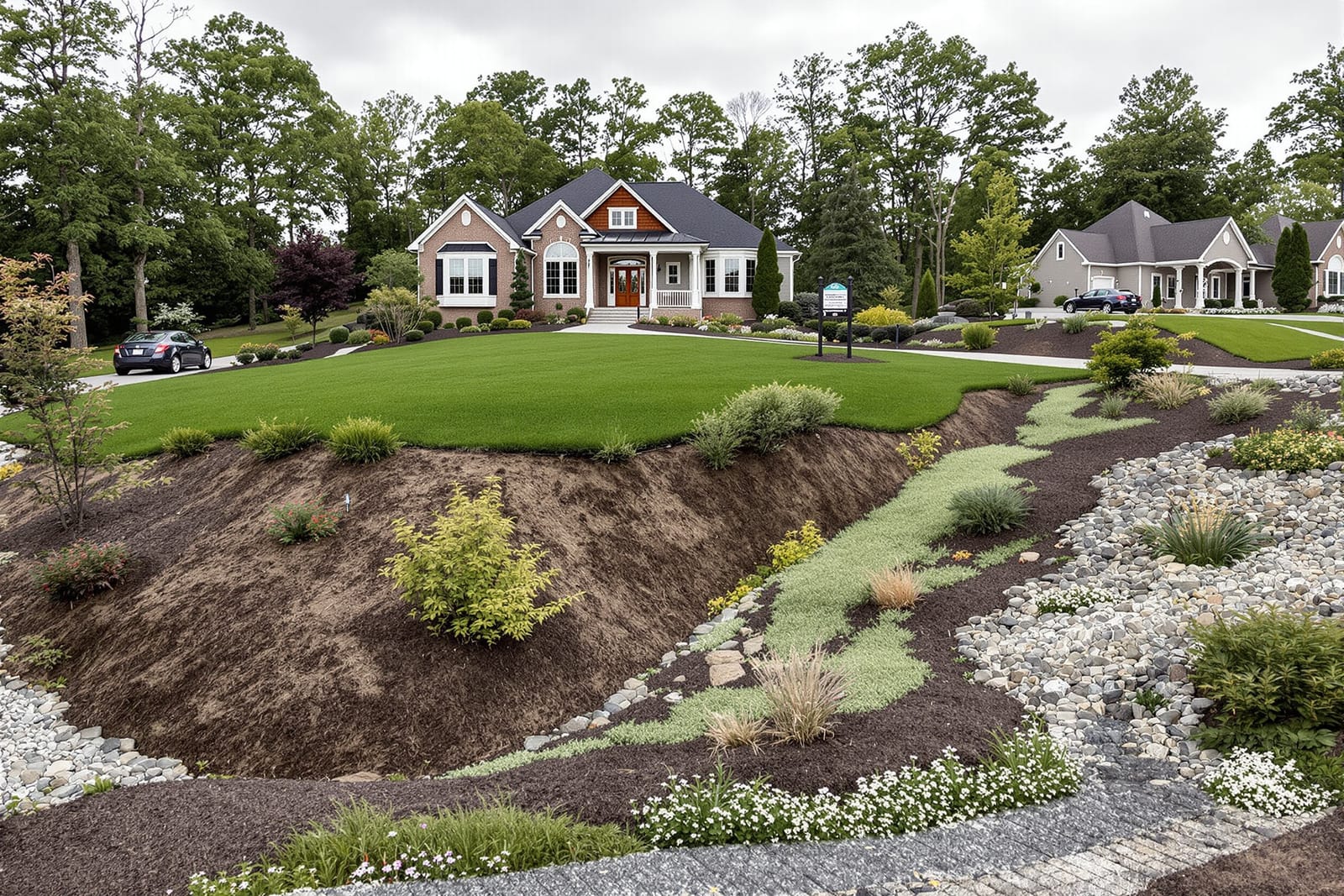
Our commercial slope hydroseeding in San Antonio, TX secures embankments, berms, and retention pond banks on large sites. We use engineered mulch systems and custom seed mixes to resist erosion and handle fluctuating water levels. Protect infrastructure while meeting environmental standards.
Legendary Hydroseeding San Antonio provides professional commercial slope hydroseeding throughout San Antonio, TX, Texas and the surrounding area. Our licensed, insured crew delivers safe, clean, on-time work with a free estimate before anything begins. Call 830-590-1696 or request your free quote.
Commercial slope hydroseeding in San Antonio that actually holds
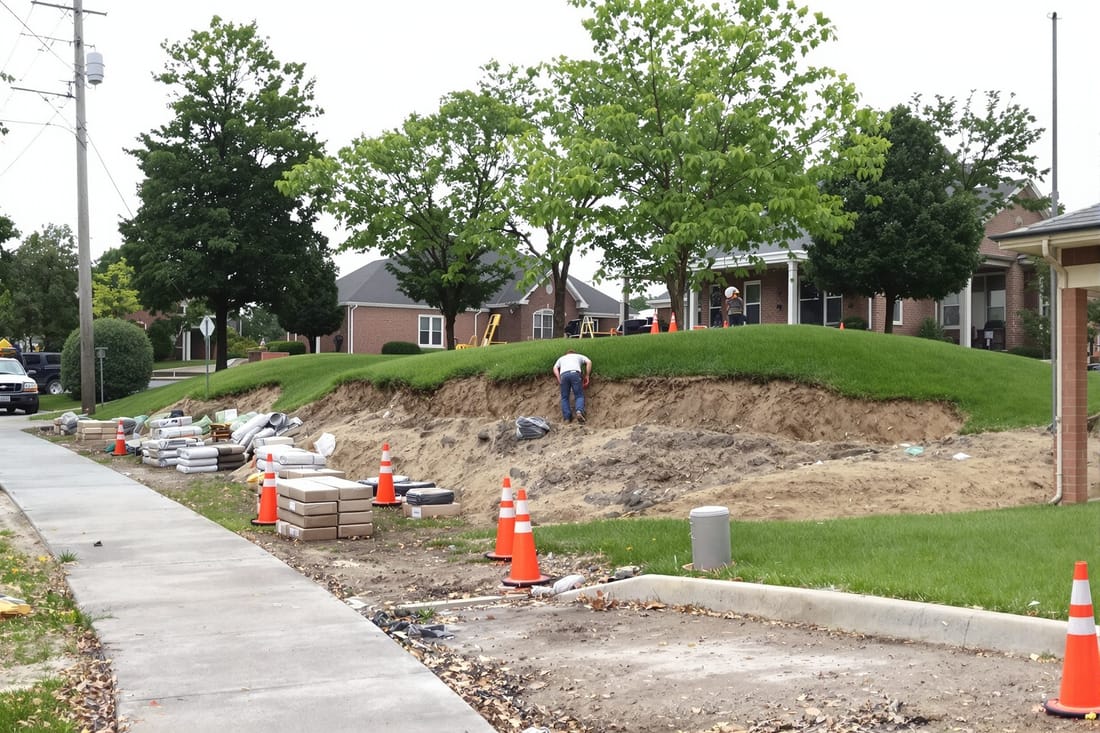
Steep slopes in San Antonio do not behave like flat lawns, and that is where commercial slope hydroseeding really proves its value. At Legendary Hydroseeding San Antonio, we focus on building a vegetative system that locks in your soil, slows runoff, and stands up to our intense downpours and long dry spells.
The basic process starts with a site walk. We check slope angle, soil type (caliche, clay, mixed fill, or imported topsoil), drainage paths, and existing erosion rills. We look for issues like poorly compacted fill along new road cuts, bare detention pond banks, and pond shorelines scoured by fluctuating water levels. These details shape every decision that follows.
Hydroseeding itself is a slurry of seed, mulch, fertilizer, and tackifier sprayed under pressure onto the slope. For commercial slopes we usually apply at higher rates than on flat ground, and we often use stronger binders so the mix can withstand sheet flow until roots develop. Where slopes are especially steep or have highly erodible fill, we will recommend a two-step application or pairing hydroseeding with erosion control blankets or turf reinforcement mats.
Because this is San Antonio, we design mixes to handle high heat, sporadic rainfall, and alkaline soils. That often means drought-tolerant native grasses, adapted turf-type blends where a manicured look is needed, and sometimes temporary cover crops that establish quickly while the permanent species take hold. The result is a slope that greens up faster, stays put during storms, and is easier to maintain over time than a purely hardscaped solution.
How we hydroseed slopes, embankments, and retention ponds step by step
Every hydroseeding project on a slope or pond bank follows a clear sequence so you know exactly what you are paying for.
1. Site assessment and planning. We measure the slope, review grading plans if available, and identify inlets, outlets, and spillways. On retention ponds we pay special attention to normal pool vs high-water lines so we can select species that tolerate occasional submersion near the water and drought at the upper banks.
2. Surface preparation. Good seed-to-soil contact is what makes or breaks commercial slope hydroseeding. We remove trash and heavy debris, lightly scarify crusted soils, and smooth ruts that would channel water. If the slope is extremely compacted, we may recommend shallow ripping or importing an engineered topsoil layer on the upper few inches so roots can penetrate.
3. Seed mix design. We do not use a one-bag-fits-all blend. For highway embankments, developers often want low maintenance native mixes that can be mowed infrequently. For corporate campuses and medical facilities, clients prefer more uniform turf-type grasses with erosion control still a priority. Around retention ponds, we often use a mix of deep rooted grasses above the normal waterline and moisture-tolerant species closer to the shore.
4. Hydroseed application. Using a mechanical agitation hydroseeder, we load water, seed, mulch, fertilizer, and tackifier according to the engineered rate. Our crew sprays from the bottom up when possible, maintaining a consistent fan pattern so coverage is even. On very steep faces that cannot be safely reached on foot, we use extended hose runs and adjust pressure to avoid washing the slurry off the slope.
5. Reinforcement and details. Where needed, we install straw or coconut blankets, check dams in drainage swales, or coir logs along pond edges to slow water. These are not always required, but on the more extreme slopes or highly regulated sites they make a big difference in first-season performance.
6. Post-application guidance. After we hydroseed, we walk you through watering expectations, restricted access areas, and mowing timing so the new vegetation can establish a strong root system before being stressed.
Cost factors and what drives pricing for slope hydroseeding in San Antonio
Commercial slope hydroseeding is usually more economical than sod or hardscaping, but the price can still vary quite a bit depending on your site. Legendary Hydroseeding San Antonio gives itemized proposals so you know which factors are affecting the number.
Slope length and steepness play a big role. Gentle embankments that we can access with the hydroseeder truck and minimal hose line are much faster to cover than tall or near-vertical slopes that require extensive hose pulls, additional crew for safety, and sometimes specialized access equipment. More time and labor on site means higher cost per square foot.
Soil condition and prep needs are another driver. A newly graded commercial site with clean, friable topsoil is ideal and cheaper to treat. If your slope consists of hard caliche, rocky construction fill, or subsoil with heavy construction debris, we may need to spend more time on preparation. In some cases we recommend adding a top dressing of quality topsoil or compost, which adds material and equipment costs but usually pays off in better establishment.
The seed and mulch specification can shift the price significantly. Simple, fast-growing temporary cover is less expensive, although it may not give you the long-term look or durability you want. Native and specialty mixes for retention ponds, pollinator-friendly corridors, or HOA common areas have higher seed costs but provide more specific performance. Likewise, heavier mulch rates, bonded fiber matrices, or premium tackifiers used on critical slopes cost more upfront but dramatically reduce the risk of washouts.
Access and water availability also matter in San Antonio. If we can fill from on-site water, costs are lower. If we need to haul water or schedule around limited water access, that impacts the budget. Finally, regulatory or project requirements such as SWPPP compliance, specific erosion control standards, or city and county specs can influence which materials we must use and how many site visits are needed for inspections and touch-ups.
Common slope and retention pond problems we solve every season
If you already have slopes or pond banks that were seeded or sodded and they are failing, you are not alone. Our crews are frequently called in to fix problems on commercial projects across San Antonio and the surrounding Hill Country.
One of the most common issues is washouts right after a storm. This usually happens where a standard lawn mix and light mulch were used on a steep grade. In these cases we often rework the washed areas, adjust drainage if needed, and reapply a heavier-duty hydroseed slurry or a bonded fiber matrix that can withstand concentrated flow. Sometimes we add check structures or rock at the top of the slope to slow water before it hits the hydroseeded area.
Another frequent problem is sparse or patchy growth on pond side slopes. Fluctuating water levels in detention and retention ponds can drown seedlings at one elevation while leaving others bone dry. We address this by redefining planting zones, using moisture-tolerant species in the frequently wet band and tougher upland species higher up the bank. We also pay close attention to the inlet and outlet structures where turbulence and flow velocity tend to strip vegetation.
We also see failures from poor timing. Seeding the steepest slopes at the wrong time of year in San Antonio can set you up for disappointment. If you plant cool-season grass right before a heat wave, or try to establish warm-season species during a prolonged dry spell with no irrigation, results will suffer. Legendary Hydroseeding San Antonio looks at your construction schedule and suggests realistic windows, then builds a watering and maintenance plan to bridge those risky early weeks.
Lastly, maintenance missteps are a big source of calls. Mowing too early or too short, driving heavy equipment on young slopes, or shutting off irrigation as soon as you see green can undo a lot of good work. We provide specific do and do not guidelines for the first three to six months so your team, landscaper, or property manager understands how to protect the investment.
Why local experience matters for commercial slope hydroseeding
San Antonio has its own mix of climate, soils, and construction practices, and generic hydroseeding approaches often fall short on slopes, embankments, and pond banks here. Working with Legendary Hydroseeding San Antonio means working with a team that spends most of its time on exactly these challenging areas, not just flat front lawns.
We understand the combination of intense summer heat, occasional freeze events, and large storm events that can impact newly seeded slopes. That is why we do not simply copy seed specs from another region. We build mixes around local performance, including drought-hardy natives and proven turf types that hold up under real-world conditions along roads, commercial developments, and industrial sites.
Our familiarity with local municipalities, TXDOT-style specifications, and common engineering details on retention and detention ponds helps keep your project smoother. When an engineer calls for a specific mulch rate or tackifier type, we know what they are after and how to implement it in the field. If your project is subject to stormwater inspections, we coordinate hydroseeding with other erosion control measures so you are not scrambling before a rain event.
Most importantly, we treat slopes and ponds as systems, not just surfaces to spray green. We look at upstream drainage, downspout and outlet placements, existing erosion scars, and maintenance access, then design the hydroseeding around those realities. If you are planning a new project or trying to repair a problem slope, we are happy to walk the site, discuss options, and quote multiple approaches so you can weigh cost against risk and long-term maintenance before you decide.