Home › Native Meadow and Wildflower Hydroseeding
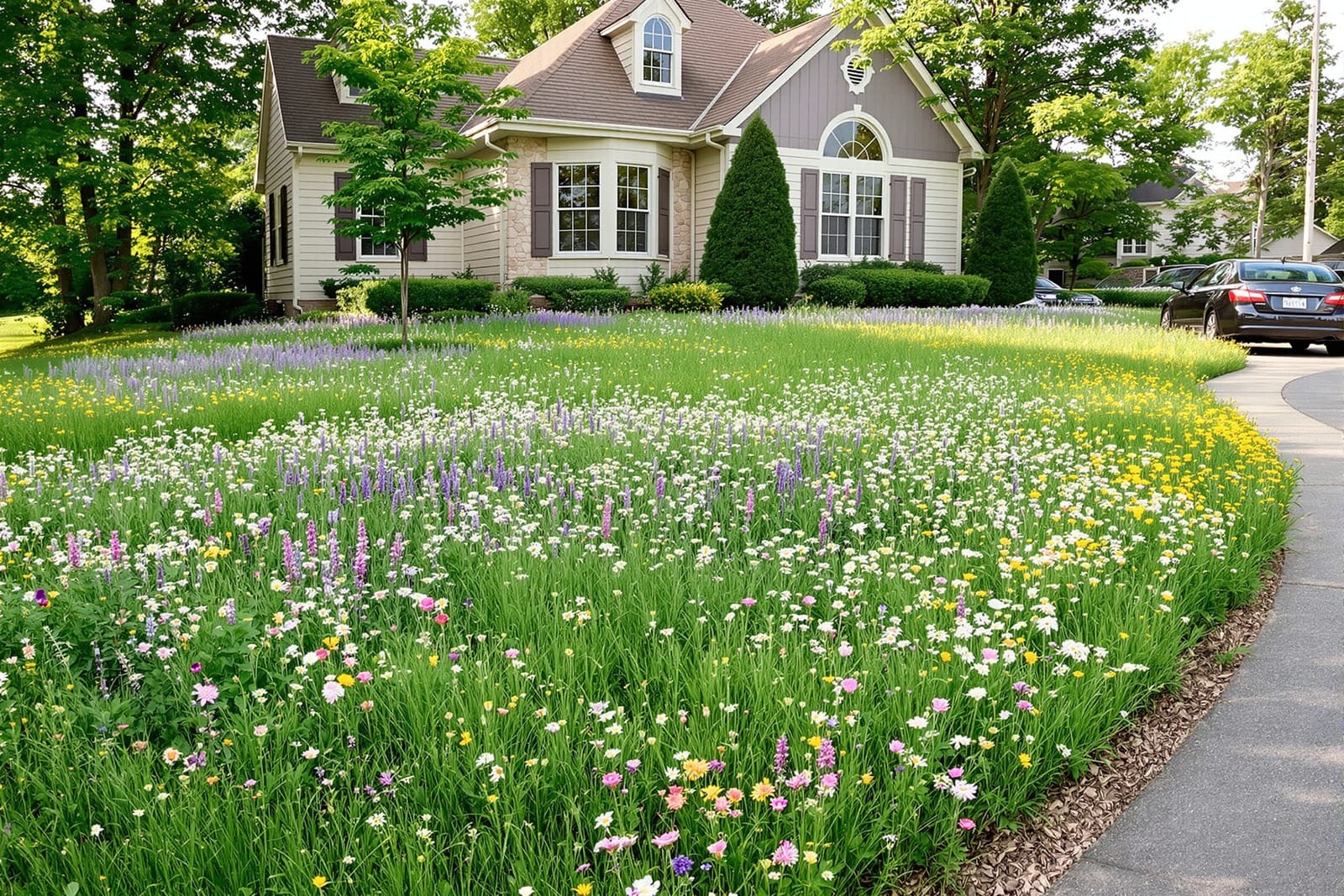
Our wildflower hydroseeding in San Antonio, TX creates colorful, low maintenance native meadows for yards and large properties. We blend regional wildflowers and grasses for pollinator friendly, drought tolerant landscapes. Transform unused areas into vibrant naturalized spaces.
Legendary Hydroseeding San Antonio provides professional wildflower hydroseeding throughout San Antonio, TX, Texas and the surrounding area. Our licensed, insured crew delivers safe, clean, on-time work with a free estimate before anything begins. Call 830-590-1696 or request your free quote.
Native meadow and wildflower hydroseeding in San Antonio
Legendary Hydroseeding San Antonio designs and installs custom native meadow and wildflower hydroseeding that fits our Central and South Texas climate, soil, and water restrictions. Instead of a generic wildflower mix, we match species to your exact site conditions, whether you have thin Hill Country limestone soils, heavy black clay, or disturbed construction fill in a new subdivision.
Wildflower hydroseeding is ideal if you want a colorful, low‑input landscape that supports pollinators and reduces mowing. We commonly hydroseed residential front and back yards, acreage homes, commercial campuses, church properties, school grounds, and roadside or utility corridors throughout San Antonio, Bexar County, and nearby towns. Our approach prioritizes native and adapted species that can handle heat, drought, and our erratic rainfall.
From the first visit, we walk your property, talk through HOA rules or city visibility requirements, and agree on where a meadow look makes sense and where a more manicured edge is needed. This planning step is what makes a wildflower meadow look intentional instead of overgrown.
How our wildflower hydroseeding process works
Our native meadow and wildflower hydroseeding service follows a precise sequence so the seed actually establishes, instead of washing away or disappearing into weeds.
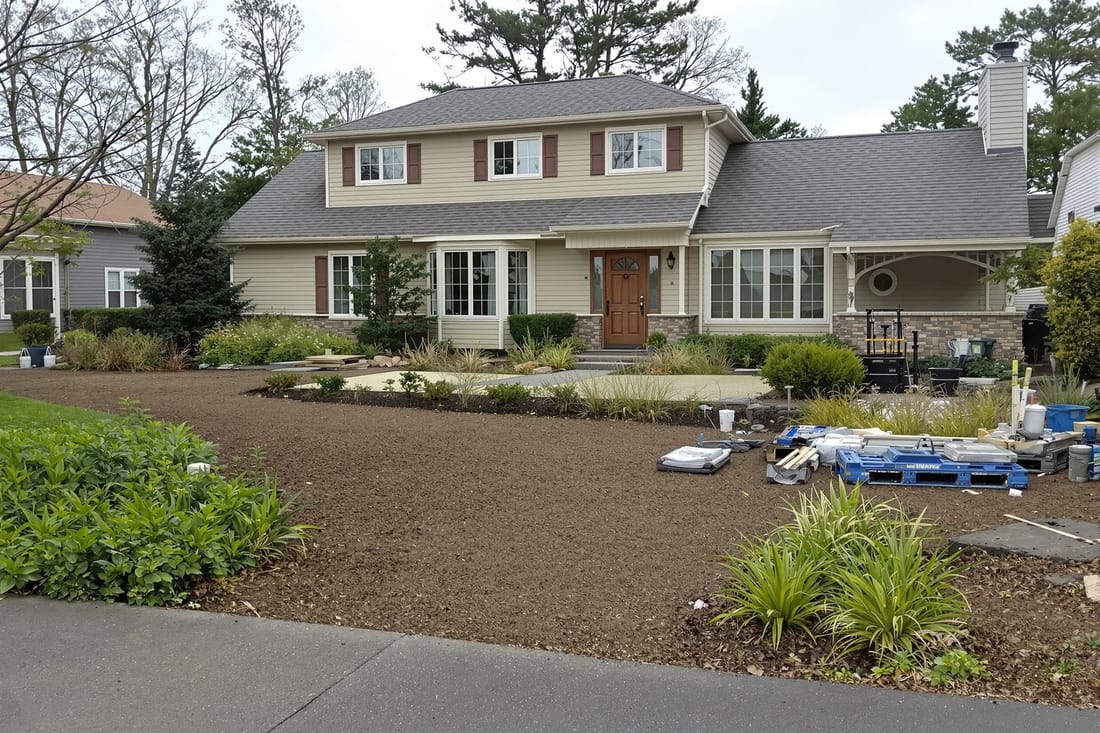
1) Site assessment and soil check. We inspect slope, shade, existing vegetation, and drainage. In San Antonio we often see compacted caliche or heavy clay. We may recommend shallow tilling or topdressing in the worst spots so roots can penetrate. If you have recent construction, we check for debris or subsoil that needs to be scraped and smoothed before seeding.
2) Vegetation control. Existing bermuda grass, KR bluestem, or Johnson grass will outcompete young wildflowers if not controlled. We usually apply a non‑selective herbicide, then return 10 to 14 days later to reassess. On small residential areas where chemicals are not desired, we can mechanically scalp and repeatedly till, though this takes more passes and more labor.
3) Grading and surface prep. We smooth ruts and low spots, adjust drainage away from structures, and lightly roughen the surface so the hydroseed slurry can lock in. We avoid over‑tilling, which can cause erosion on San Antonio’s sudden downpours.
4) Custom seed mix selection. Based on sun exposure, soil type, and whether irrigation is available, we select a seed blend weighted toward native Texas wildflowers and compatible native or well‑adapted grasses. You will see the proposed species list and proportions before we hydroseed.
5) Hydroseed application. We load our tank with water, your selected seed mix, a wood or paper fiber mulch, tackifier (for erosion resistance), and starter fertilizer formulated for wildflowers, not high‑nitrogen turf. The slurry is sprayed in an even coat at a rate appropriate for wildflower seeding, not grass, so flowers are not overcrowded.
6) Post‑seeding instructions and optional follow‑up visits. We provide watering guidance, mowing timing, and weed management tips tailored to the actual species we used and the time of year we seeded.
Seed mixes tailored to San Antonio soils and microclimates
Legendary Hydroseeding San Antonio does not use a one‑size‑fits‑all wildflower blend. We build mixes that respond to your property’s specific conditions and your priorities for color, bloom timing, and maintenance level.
For full‑sun, unirrigated sites on thin limestone or caliche, we lean heavily on drought‑tolerant native species and reserve most of the grass component for native bunchgrasses. In irrigated, higher‑visibility areas like office parks or entry features, we may incorporate some additional showy annuals in the first year for impact while longer‑lived perennials establish.
We also adjust the grass percentage to meet your goals. If you want a meadow that can handle occasional foot traffic and still look tidy when mowed once or twice a year, we increase the native grass fraction. If you want a flower‑heavy display with a very soft, informal look, we reduce grass density and emphasize diverse forbs.
We can separate large properties into zones, using a more formal wildflower mix near buildings or roads and a tougher, more purely native conservation mix on back acreage. This zoning approach lets you meet HOA or corporate appearance standards at the front while maximizing habitat and resilience in lower‑visibility areas.
Seasonal timing and what to expect in the first 2 years
Timing matters more with wildflower hydroseeding than with turf. In San Antonio, we prefer two main windows.
Fall seeding (typically late September through early December, depending on rainfall) is ideal for a mixed meadow that includes many native perennials. Cool season moisture and natural chilling (stratification) help germinate species that will return for many years. With fall seeding you usually see some green cover by winter, then a strong flush of blooms in spring and early summer.
Late winter to early spring seeding can work when schedules or construction delays push you into that window, especially if we focus the mix more toward species that germinate readily without long chilling periods. Summer hydroseeding of wildflowers is usually limited to specific drought‑tolerant mixes and typically requires supplemental irrigation, so we address water availability before scheduling these projects.
During year one, you should expect the meadow to look a little wild and uneven as species establish at different rates. Some early annuals and temporary cover grasses may dominate at first, which is normal. In year two, the planting usually balances out, with more perennials maturing and a more stable seasonal pattern of color emerging.
We prepare you for this transition period so there are no surprises, and we provide guidance on when the first "high mow" should occur to control coarse weeds without harming desirable wildflowers.
Costs, budgets, and what drives pricing for wildflower hydroseeding
Pricing for native meadow and wildflower hydroseeding in San Antonio varies more than turf work because the seed itself and the level of prep can be very different from site to site. We explain the main cost drivers so you can plan a realistic budget.
Site preparation is usually the biggest variable. A clean, lightly vegetated construction pad with minor grading issues costs far less to prepare than an established bermuda pasture full of invasive grasses that must be controlled in stages. Slopes that need erosion control blankets or extra tackifier also add to the price.
Seed mix composition is the second major factor. High diversity native mixes with many perennial species cost more than simple annual mixes, because some native seeds are more expensive and we use higher quality, tested seed. If you want a very specific aesthetic or strict native‑only palette, we source accordingly and quote that separately.
Project size and access also affect cost. Large, open acreage can be more economical per square foot because we can run larger equipment and make fewer passes. Small, complicated areas or tight urban lots with limited hose reach often involve more hand work and setup time.
We provide written estimates that break out major components like prep, seeding, and any erosion control or follow‑up visits. This transparency lets you adjust scope, for example by phasing a large project or simplifying the seed mix in back areas, to fit your budget without sacrificing performance.
Managing weeds, HOAs, and a "neat" meadow look
When you convert a conventional lawn or bare soil area into a wildflower meadow, you are changing how the space looks and how it is perceived by neighbors, HOAs, or municipal inspectors. Legendary Hydroseeding San Antonio designs wildflower hydroseeding projects to look intentional and to comply with local expectations.
HOAs in many San Antonio neighborhoods require maintained edges and may have height limits in front yards. To accommodate this, we often create clean, mowed borders along sidewalks and driveways and place the tall, colorful meadow in interior zones. We can also design lower‑height mixes for front yard applications so the planting stays below common visibility thresholds while still providing bloom.
Weed pressure is inevitable in the first one to two years, especially on lots with a history of invasive grasses or broadleaf weeds. Our plan usually includes at least one high mow at a set height that clips aggressive weeds while allowing most wildflowers to continue growing. In some cases we recommend spot spraying specific invasives before they set seed.
We provide each client with a simple maintenance calendar that explains what to do in each season, what is normal, and what is a red flag. This document is tailored to your actual seed mix and watering situation, not a generic guide. With the right mowing timing and selective weed control, a wildflower meadow can look cared‑for instead of neglected while still delivering habitat value.
Why work with Legendary Hydroseeding San Antonio for native meadows
Our team specializes in hydroseeding that suits the San Antonio region, not just generic wildflower installations. Because we also install turfgrass and erosion control projects, we understand how soil prep, slope, and water availability affect seed‑based systems in our specific climate.
Legendary Hydroseeding San Antonio owns and operates professional hydroseeding units that can handle small residential projects up to large commercial or municipal sites. We are familiar with TxDOT‑style specs for roadside mixes and can coordinate with landscape architects or engineers on larger developments.
We also recognize the practical realities of property ownership in San Antonio. From water restrictions to neighborhood design guidelines, we help you select a wildflower hydroseeding approach that satisfies both your goals and any outside requirements. Our goal is a meadow that looks beautiful, performs well in the long term, and fits comfortably into its surroundings.
If you are considering wildflower hydroseeding for a new build, a lawn conversion, or unused acreage, we can evaluate your site, discuss options, and provide a clear path from bare ground to a functional native meadow that will evolve and improve over time.