Home › Erosion Control Blankets and Matting (Commercial)
We install commercial erosion control blankets in San Antonio, TX for high risk slopes, channels, and banks. Our team places and pins ECM and TRM systems in combination with hydroseeding for long lasting stabilization. Protect infrastructure with engineered blanket solutions.
Legendary Hydroseeding San Antonio provides professional commercial erosion control blankets throughout San Antonio, TX, Texas and the surrounding area. Our licensed, insured crew delivers safe, clean, on-time work with a free estimate before anything begins. Call 830-590-1696 or request your free quote.
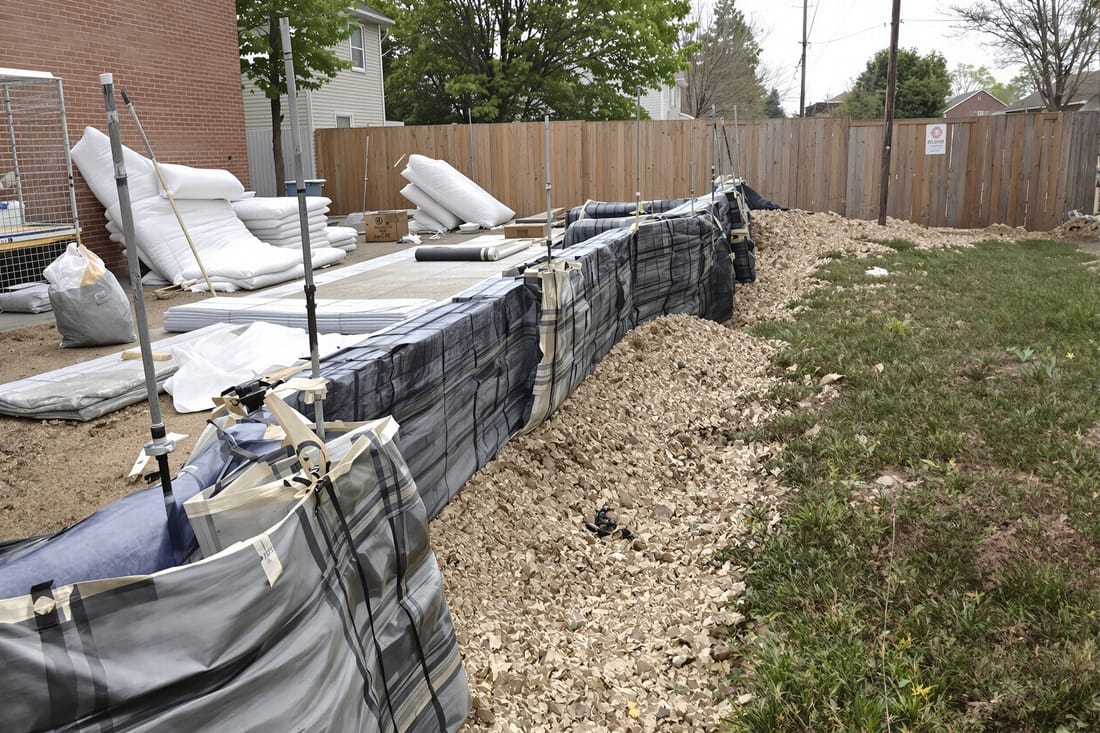
Commercial erosion control blankets tailored to San Antonio conditions
On commercial sites around San Antonio, uncontrolled erosion is more than a cosmetic issue. It can wash away expensive grading work, clog nearby creeks, and delay inspections. Legendary Hydroseeding San Antonio installs commercial erosion control blankets and matting that are chosen and engineered specifically for our rocky Hill Country soils, intense summer downpours, and long dry spells.
Our team focuses on the realities of local construction schedules. Many projects here break ground in late spring, then run straight into hurricane-season rain events. We design blanket systems that can handle sudden 2 to 4 inch storms without letting topsoil and seed wash away. For commercial clients, we also pay close attention to permit requirements, SWPPP plans, and city or county specs, so your erosion control blankets support compliance from day one.
Whether you are stabilizing a new commercial pad site off Loop 410, protecting a multi-acre subdivision near Cibolo Creek, or securing steep drainage channels along a new road, we match material type, anchoring pattern, and installation method to the exact conditions of your site instead of using a one-size-fits-all product.
How we design a blanket and matting system for your site
Every installation with Legendary Hydroseeding San Antonio starts with a site walk, not a catalog. We look at slope length and steepness, soil type, existing vegetation, drainage paths, and where construction traffic will cross the blanket areas. This tells us how aggressive the erosion risk is and what level of reinforcement you need.
On gentle slopes and broad open areas, we typically recommend biodegradable straw or straw-coconut erosion control blankets that hold seed and topsoil in place while vegetation establishes. On steeper slopes, culvert outlets, or high flow channels, we shift to heavier coconut blankets, turf reinforcement mats (TRMs), or composite systems that combine matting with rock or concrete check structures.
We also review your project schedule. If the area will be left alone to grow for a full season, we may use faster-degrading blankets that improve soil health as they break down. If you expect heavy equipment crossing or long-term high-flow conditions, we use longer-lasting or permanent mats. Every recommendation is documented with product data, layout notes, and anchoring details so your GC, engineer, or inspector can clearly see how the system is intended to perform.
Step-by-step installation process for commercial erosion control blankets
Proper installation is the difference between a blanket that survives the first storm and one that ends up in the drainage ditch. Our crews follow a consistent step-by-step process that is tailored to commercial schedules and safety requirements.
1. Site preparation and grading review. We confirm final grading is complete, remove rocks, debris, and clods that can lift blankets off the soil, and lightly track or scarify smooth surfaces so the blanket can grip the ground.
2. Soil amendments and seeding. Where plans call for vegetation, we apply seed mixes appropriate to San Antonio, such as native prairie grasses or DOT-approved blends, along with fertilizer or compost if specified. Seeding usually occurs immediately before blanket placement so seed is held in place from the start.
3. Trench installation at the top of slope. We cut an anchor trench along the upslope edge, typically 6 to 12 inches deep depending on spec. The blanket is laid into the trench, stapled or pinned, then backfilled and compacted so water cannot get under the top edge.
4. Blanket placement and overlaps. Blankets are rolled downslope in the direction of water flow, not across it, to avoid creating miniature dams. Side edges are overlapped 3 to 6 inches, and upslope-over-downslope overlaps are created at roll ends so water flows over, not under, each seam.
5. Anchoring pattern. We use steel staples or pins in a specific grid pattern that is adjusted for slope steepness and soil hardness. On steeper slopes or loose fill, we tighten spacing so wind and runoff cannot lift the matting.
6. Final inspection and touchups. After installation, we walk every blanket line, check seams, anchor density, and trench backfill, and make adjustments before turning the area back to the GC or owner.
Material options, lifespan, and what affects your project cost
Commercial erosion control blankets and matting are not all the same, and cost differences usually come from materials, site complexity, and access. Legendary Hydroseeding San Antonio explains these factors up front so budgeting is clear.
Common material choices include straw blankets for short-term protection, usually 12 to 18 months, straw-coconut blends for medium-term stability with better strength, pure coconut blankets for more demanding slopes and channels, and synthetic or composite turf reinforcement mats for high-flow areas or long-term reinforcement. We select products based on expected flow, how long the area must stay protected, and whether the blanket will be driven over or disturbed.
Cost is influenced by slope length and steepness, the need for hand-crew work around utilities or structures, soil hardness that affects how many staples and how much labor is needed, and access issues such as steep banks or limited staging areas. Large, simple slopes with machine access typically cost less per square foot than narrow strips along retaining walls or live drainage channels that require rope access or extra safety measures.
We can often lower total project cost by combining blanket types. For example, using a more economical blanket on upper, gentler slopes and a heavier mat only near the toe or in concentrated flow paths. During planning, we walk you through these tradeoffs so you are not overpaying for heavy products where they are not needed, but still covered where inspectors focus their attention.
Common problems on San Antonio sites and how we prevent them
San Antonio’s climate and soils create specific erosion challenges that we design for from the start. Short, intense rainstorms can overwhelm poorly anchored blankets, especially on caliche or very smooth clay where staples have little bite. To address this, Legendary Hydroseeding San Antonio often uses tighter anchor patterns, longer staples, and surface roughening before installation.
Another frequent issue is construction traffic driving across newly installed blankets to reach back lots or utility easements. We coordinate with superintendents to set clear access paths, install temporary rock crossings where needed, and schedule blanket installation after heavy traffic has moved off sensitive areas. Where crossing cannot be avoided, we design reinforced lanes or protect blankets with tracking mats and then repair them afterward.
Channel bottoms and outfalls are another trouble spot. If water is concentrated, a standard blanket may underperform. In these locations we often pair erosion control mats with rock energy dissipation, check structures, or permanent TRMs specified to handle design storm flows. By identifying these high-risk areas during the initial site walk, we can prevent failures that would otherwise trigger rework, fines, or schedule delays.
We also plan for long dry stretches. Seed under the blanket can sit dormant if there is no moisture. When possible, we time installation ahead of forecast rainfall or coordinate with temporary irrigation so germination occurs quickly and roots begin reinforcing the soil beneath the blanket.
Why commercial contractors choose Legendary Hydroseeding San Antonio
General contractors, developers, and property managers across San Antonio trust Legendary Hydroseeding San Antonio because we treat erosion control blankets as a performance system, not just a product line item. Our crews are familiar with TxDOT, city, and county standards, and we can work with your engineer to match or propose equivalent products when submittals require it.
We are used to working under tight timelines, including last-minute stabilization before an inspection or before a forecasted storm. Because we also provide hydroseeding, we can handle both the vegetation and matting scope under one roof, which reduces coordination headaches and helps ensure the seed, soil prep, and blankets are all compatible.
Communication on commercial jobs is direct and practical. We provide layouts, product data sheets, and clear descriptions of where each blanket type will be used. Our foremen keep your superintendent informed about progress, areas to keep traffic off, and any grading or drainage issues we notice during installation that might affect blanket performance.
If you are planning a new project around San Antonio, or need to bring an active site into compliance quickly, we can walk the property, identify priority erosion risks, and design a commercial erosion control blanket and matting plan that fits your budget and schedule while meeting local expectations for durability and appearance.