Home › Topsoil, Grading, and Site Preparation
We provide complete hydroseeding site preparation in San Antonio, TX, including grading, debris removal, and topsoil installation. Proper site prep ensures even drainage, good seed to soil contact, and long term lawn health. Start your hydroseeding project on a solid foundation.
Legendary Hydroseeding San Antonio provides professional hydroseeding site preparation throughout San Antonio, TX, Texas and the surrounding area. Our licensed, insured crew delivers safe, clean, on-time work with a free estimate before anything begins. Call 830-590-1696 or request your free quote.
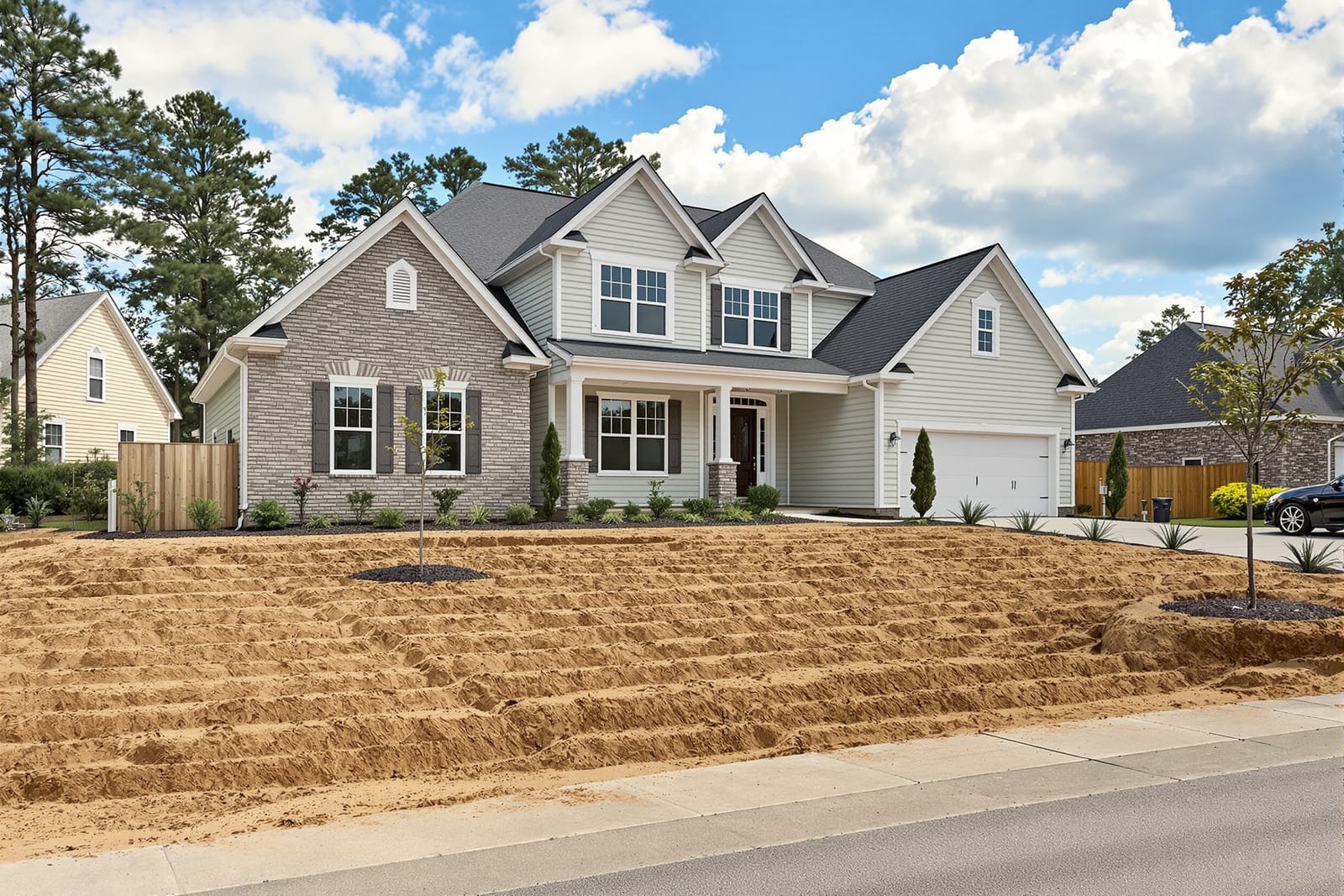
Hydroseeding Site Preparation in Real San Antonio Conditions
Healthy hydroseeded lawns and slopes start long before the slurry truck shows up. In San Antonio, hydroseeding site preparation is mostly about working with hard, rocky soils, uneven caliche patches, and big swings between heavy rain and long dry spells. At Legendary Hydroseeding San Antonio, our prep work is specific to the Hill Country and I‑35 corridor terrain, not a generic checklist from somewhere with deep loam.
We begin by walking your property with you and flagging problem areas: spots that hold water after storms, bare slopes that erode, building pads that have been over‑compacted by construction traffic, and utilities that must be protected. We look at how water actually moves across your site during a storm, not how it looks on a flat plan. This tells us where to cut high spots, fill low spots, and install small swales or drainage paths so your new seed is not washed out.
From there, we map out the specific topsoil, grading, and compaction steps needed for hydroseeding to work correctly. Our goal is simple: an even, stable, gently contoured surface with the right soil depth and texture so the hydroseed mix can bond, hold moisture, and sprout evenly across the entire area.
Topsoil: Fixing Rock, Caliche, and Thin Native Soils
In and around San Antonio, many properties sit on very thin topsoil over limestone or caliche. If we hydroseed directly on that, you end up with patchy grass and constant dry spots. Legendary Hydroseeding San Antonio evaluates soil depth in several locations with a probe or shovel, not just one test hole, because conditions can change within a few feet on a Hill Country lot.
If the native soil is workable, we scarify or till it 3 to 4 inches deep to break up crusting and compaction, then blend in organic material where it makes sense. On newer construction pads or very thin soils, we often truck in screened topsoil or a custom blend with sand, loam, and compost. For lawns, we typically target 4 to 6 inches of good soil depth, more for high‑end landscapes or athletic areas.
We pay close attention to material quality. “Fill dirt” from a random pile is usually full of debris and clay that bakes solid in a San Antonio summer. We specify topsoil that drains but still holds moisture, and we avoid mixes that are too fine because they can crust and repel water. Where budget is tight, we may focus topsoil in the most visible or hardest to irrigate zones and improve the rest with tilling and amendment, so you get the most value out of every cubic yard.
Costs on the topsoil side are driven mainly by three things: how far we have to haul material, how much depth we need across your square footage, and how rough or rocky the existing grade is. We are up front about whether you truly need imported soil or if we can make your native soil work with conditioning instead.
Grading for Drainage, Stability, and Hydroseed Coverage
Proper grading is what keeps your new hydroseed in place when a summer thunderstorm hits. On most San Antonio residential lots, we aim for a consistent 1 to 2 percent slope away from the house so water sheds slowly, not in ruts. On open fields, commercial pads, or acreage, we may design gentle cross slopes and shallow drainage swales so water spreads out instead of cutting channels.
Our crews use skid steers, mini excavators, and laser levels to establish accurate grades. We cut down high spots, fill low areas with compacted material, and shape transitions so the hydroseeding equipment can apply an even layer. For slopes that are too steep to safely mow, we will talk about re‑profiling them or designing them as erosion‑control zones with different seed mixes and extra mulch.
San Antonio soils like to either blow away when dry or wash away when soaked, so we pay attention to surface texture. After machine grading, we leave a slightly roughened surface, never glass‑smooth. This micro‑texture gives the hydroseeding mulch more surface area to cling to and reduces sheet flow. On critical slopes, we may recommend adding straw matting, coconut blankets, or check structures in drainage swales so the seed and soil stay put until roots knit everything together.
Common grading problems we fix include builder pads that slope toward the house, gutters that dump water directly onto bare soil, and rutted construction drives. Our job is to correct these before hydroseeding, not cover them up with green mulch and hope for the best.
Site Preparation Steps, Equipment, and Local Challenges
Thorough hydroseeding site preparation at Legendary Hydroseeding San Antonio follows a clear sequence so nothing important is skipped.
First, we mark utilities and sensitive features. We coordinate with 811 when needed and ask you to point out irrigation lines, septic components, and shallow cables. It is much cheaper to protect these ahead of time than repair them after a skid steer crosses the yard.
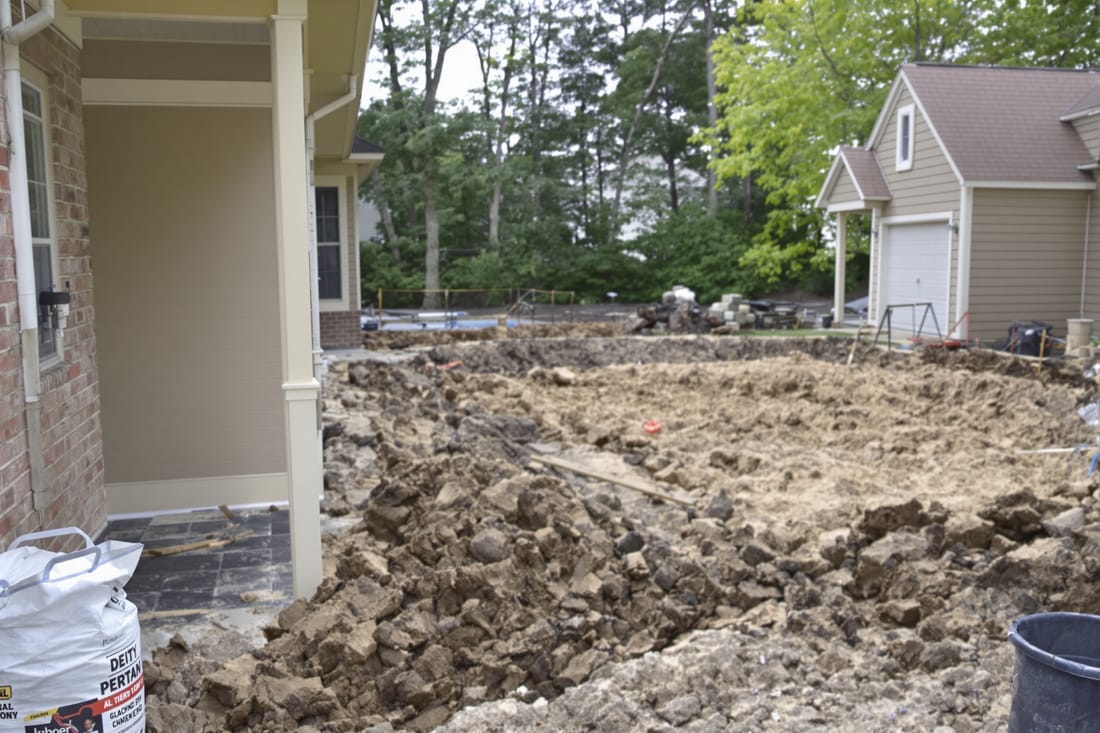
Second, we clear the surface. That can include removing old turf, brush, rocks, construction debris, and tree roots that will cause thin spots. In many San Antonio yards we run into mesquite roots, buried concrete, and leftover rebar from old slabs. We get these out now so you are not dealing with mower damage later.
Third, we rough grade and address drainage, cutting and filling as needed and compacting structural areas while leaving planting areas more open. On driveways, pools, or retaining walls nearby, we keep the subgrade firm and then transition to a looser soil in the hydroseed zones.
Fourth, we install or import topsoil and soil amendments, then blend and level them. This is when we set final contours and firm up the surface with a roller or drag so footprints are shallow but the soil is not rock hard.
Finally, we do fine grading and seedbed preparation, smoothing out minor imperfections, removing last stones or clods, and lightly scarifying the top half inch so the hydroseed slurry can lock into place. Right before hydroseeding, we like the soil slightly moist if possible, especially in the hotter months, to help the mulch bond.
Local challenges we plan for include wind that can dry the surface out in hours, flash downpours that can overwhelm poor drainage, and watering restrictions. These realities affect how we shape the site and what erosion and moisture retention measures we recommend during the prep stage.
What San Antonio Homeowners Should Decide Before We Start
You do not need to know every technical detail, but there are a few decisions that make hydroseeding site preparation smoother and more cost effective.
First, be clear about your end use. A front yard that needs clean lines and easy mowing will be graded differently from a dog run, a kids play area, or a low maintenance pasture on the edge of town. Tell us where you plan to park trailers, store materials, or eventually build a shed so we do not invest in topsoil and fine grading where heavy traffic will later destroy it.
Second, think honestly about your watering capacity. Hydroseeded lawns in San Antonio need consistent moisture for the first 4 to 6 weeks. If you have no irrigation system, we might adjust the soil mix, recommend different seed varieties, or suggest more organic matter during prep to help hold moisture longer. The way we grade and shape basins can also help capture rainfall and reduce runoff.
Third, consider your tolerance for small retaining features and swales. Sometimes the best way to fix a chronic wet spot or washout area is a minor regrade and a shallow grassed swale, not forcing everything flat. We explain what each contour is doing so you understand why the yard is shaped a certain way.
Finally, budget works better when we separate “must do” prep items from “nice to have” improvements. Must do items are things like correcting drainage that threatens the house, establishing enough soil depth for grass to live, and stabilizing steep slopes. Nice to have items include extra soil depth in low traffic corners or decorative contouring. Legendary Hydroseeding San Antonio is open about these tradeoffs so you can prioritize where your money actually changes performance.
When the site is prepared correctly, the hydroseeding itself goes faster, costs less over the long run, and has a much higher chance of filling in thick and staying that way through San Antonio summers and storm seasons.