Home › Pipeline and Utility Corridor Hydroseeding
Our pipeline hydroseeding in San Antonio, TX restores disturbed utility corridors and rights of way after installation. We stabilize long trench lines, access roads, and easements with fast growing seed mixes. Meet restoration requirements and minimize erosion along critical routes.
Legendary Hydroseeding San Antonio provides professional pipeline hydroseeding throughout San Antonio, TX, Texas and the surrounding area. Our licensed, insured crew delivers safe, clean, on-time work with a free estimate before anything begins. Call 830-590-1696 or request your free quote.
Pipeline Hydroseeding for South Texas Rights of Way
Pipeline and utility corridors that cut across Bexar County and the surrounding ranch land face a tough mix of wind, flash rain, and shallow, rocky soils. Legendary Hydroseeding San Antonio focuses specifically on stabilizing these long, narrow rights of way so they hold grade, protect the pipe, and meet environmental and landowner requirements. Our pipeline hydroseeding work is designed for the reality of South Texas construction, where crews are moving fast, regulators expect prompt stabilization, and landowners want their property back in workable shape.
Instead of treating hydroseeding like a simple spray of grass, we treat each corridor section like a small erosion control project. We look at trench backfill quality, slope length, access tracks, and any areas where water naturally concentrates, then design a seed and mulch mix built for those conditions. The goal is not just green cover for photos. We focus on deep-rooted vegetation that can handle San Antonio heat, survive on limited rainfall, and hold soil over pipe and utility lines for years.
How Pipeline Hydroseeding Actually Works in the Field
On a typical pipeline or utility corridor job, our crew mobilizes once final grading is complete and the trench is fully backfilled and compacted. We start by walking the line with your superintendent or inspector, flagging sensitive areas such as road crossings, steep tie-ins, creek approaches, and spots with very shallow cover over the pipe. We verify where topsoil was stored and replaced, and identify any sections that need additional roughening or tracking before we seed.
We then load our hydroseeder with water, seed, fertilizer (if specified), tackifiers, and mulch. For large runs we often use a heavy-duty wood fiber or bonded fiber matrix for better erosion control. Material is mixed to a specific application rate based on your plans or our recommended standard for pipeline rights of way. The slurry is sprayed evenly along the corridor from access roads or directly from the ROW using a turret or hose. We watch for overspray onto roads, fences, and neighboring property and use shields where necessary to keep the slurry exactly where it belongs.
For very remote stretches around San Antonio and the Hill Country edge, we plan water access in advance, coordinating with your project manager on fill points and turnaround areas so we do not disrupt other construction activities. The line is usually completed in passes, with careful overlap so there are no bare strips that can start erosion channels later.
San Antonio Conditions That Shape Your Hydroseeding Plan
Pipeline hydroseeding in San Antonio is very different from projects in wetter parts of the country. Our hot, dry summers, clay-heavy and caliche soils, and sudden thunderstorms drive almost every technical choice we make. In open ranch land west and south of the city, high winds can strip light mulch and dry out seed in days. On the Edwards Plateau edge to the north, thin soils over rock require seed blends that can root in very shallow profiles.
Legendary Hydroseeding San Antonio adjusts seed blends by corridor segment to match these conditions when your project specs allow. In full-sun, open stretches we favor drought-tolerant native and adapted grasses with deep root systems. In low areas that hold more moisture we may mix in species that close canopy quickly to protect against sheet flow erosion. We also tweak mulch rates based on slope and expected weather. For example, on a steep pipeline cut facing the prevailing wind, we typically recommend heavier mulch along with a strong tackifier to keep everything in place through the first few storms.
Because San Antonio often sees heavy rain right after long dry spells, we look closely at how water will run along and across the ROW. Predicting where rills and gullies will form lets us adjust application rates and coordinate with your erosion control team on check dams, water bars, or other BMPs that support the hydroseeded cover.
Step-by-Step Process From Bid to Final Vegetative Cover
Our pipeline hydroseeding process is built to fit smoothly into utility construction schedules. First, we review your civil plans, seed specifications, and environmental requirements, then build a clear, itemized proposal that covers materials, mobilizations, application rates, and expected production per day. If you do not have a seed spec, we provide a suggested mix developed for South Texas pipeline rights of way and can adjust based on landowner input or regulatory guidance.
Once contracted, we coordinate with your project manager to set start dates that line up with backfill and final grading, and we plan for phased mobilizations if the pipeline is being completed in segments. Before spraying, our crew walks the work area to check for trash, large rocks, standing water, and unprotected stockpiles. If minor grading touch-ups or soil roughening will significantly improve results, we point that out so it can be handled before hydroseeding.
Application is then carried out under the supervision of a lead technician who tracks which sections are complete, what mix was used, and any changes from the original plan. After seeding, we monitor for issues during the establishment window when possible, especially on local projects in and around San Antonio. If washouts or bare spots appear due to unforeseen weather or traffic on the ROW, we can return for targeted touch-up work instead of redoing entire sections.
Materials, Mix Options, and Cost Drivers
The cost of pipeline hydroseeding depends less on simple linear footage and more on access, slope, material choices, and regulatory requirements. Legendary Hydroseeding San Antonio is transparent about what is actually included so you can compare our proposal fairly with others.
Key material options include the seed mix (standard coastal or pasture blend versus native grasses), mulch type (paper, wood fiber, or bonded fiber matrix), and whether we add tackifiers or soil amendments. Native seed blends cost more up front but are often required by permit and perform better long term on many San Antonio-area ranches. Heavier mulch and bonded fiber products add cost but pay off on steep slopes, road approaches, and creek banks where erosion risk is highest.
Access and water supply are major drivers too. Corridors that are close to roads and hydrants or stock tanks can be seeded faster with fewer mobilizations. Narrow or rugged easements with limited turnarounds take more time and fuel. Night or weekend work, which is sometimes needed around busy road crossings or plant tie-ins, can also affect pricing. When we quote your pipeline project, we explain exactly which of these factors are at play so you can see where value is being added instead of just seeing a lump sum.
Common Pipeline Corridor Problems and How We Address Them
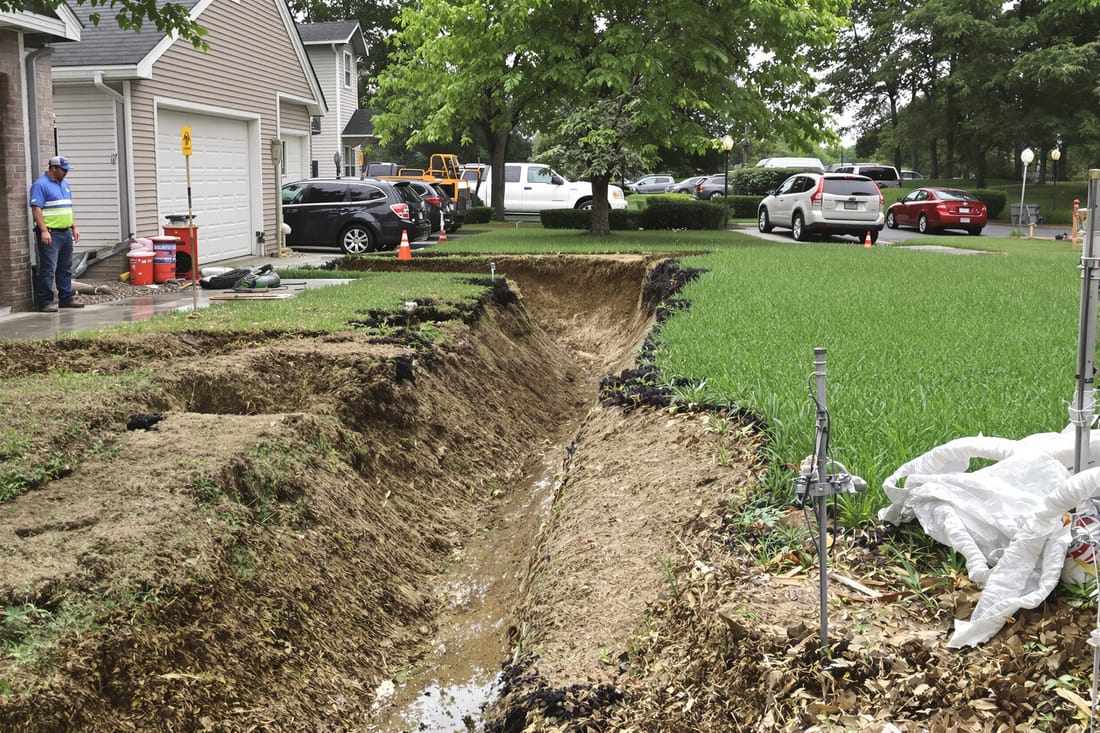
Pipeline rights of way in the San Antonio region tend to struggle with the same issues: subsidence over the trench line, wheel ruts from construction traffic, bare spots on high points where soil dries out first, and gullies where stormwater concentrates. Hydroseeding alone does not fix every structural problem, so we start by making sure the soil foundation is ready to hold vegetation.
If we see areas where the trench has already settled, we recommend regrading before hydroseeding so you do not end up with a line of standing water and dead grass down the center of the ROW. In heavily trafficked segments, we may suggest seeding in two stages: a quick cover after initial construction to control dust and erosion, then a finish application with the final seed mix once heavy equipment is off the line.
In rocky or shallow soil areas where germination is historically poor, we adjust our approach with higher seed rates, specific species that tolerate shallow rooting, and sometimes additional mulch for moisture retention. For steep draws and creek approaches that are prone to washouts, we often coordinate the hydroseeding with installed erosion controls such as rock checks or wattles so the new vegetation actually has a chance to take hold instead of being stripped by the first flash flood.
What San Antonio Pipeline Owners and Contractors Should Know Before Hiring
Before you hire anyone for pipeline hydroseeding around San Antonio, it helps to think beyond basic unit pricing. Ask how familiar the contractor is with local utility work, including safety requirements around exposed lines, valve sites, and existing utilities. Legendary Hydroseeding San Antonio routinely works with oil and gas, water, and fiber contractors, so our crews understand ROW etiquette, traffic control, and working around active facilities.
Confirm that your hydroseeding plan matches your permit and landowner commitments. Many projects in Bexar County and neighboring counties specify native seed mixes, specific coverage timelines, or performance benchmarks like percent vegetative cover. We can review those documents with you and make sure the application rates and scheduling align with those obligations.
Finally, consider timing. In this climate, spring and early fall are ideal planting windows, and we plan larger corridor jobs to take advantage of those seasons when possible. If construction delays push work into the hottest or coldest months, we can discuss adjusted seed mixes, possible split applications, or temporary stabilization to carry the project until a better planting window arrives. The goal is to get your pipeline or utility corridor stabilized quickly and responsibly so you can move confidently to your next phase of work.