Home › Solar Farm and Energy Project Hydroseeding
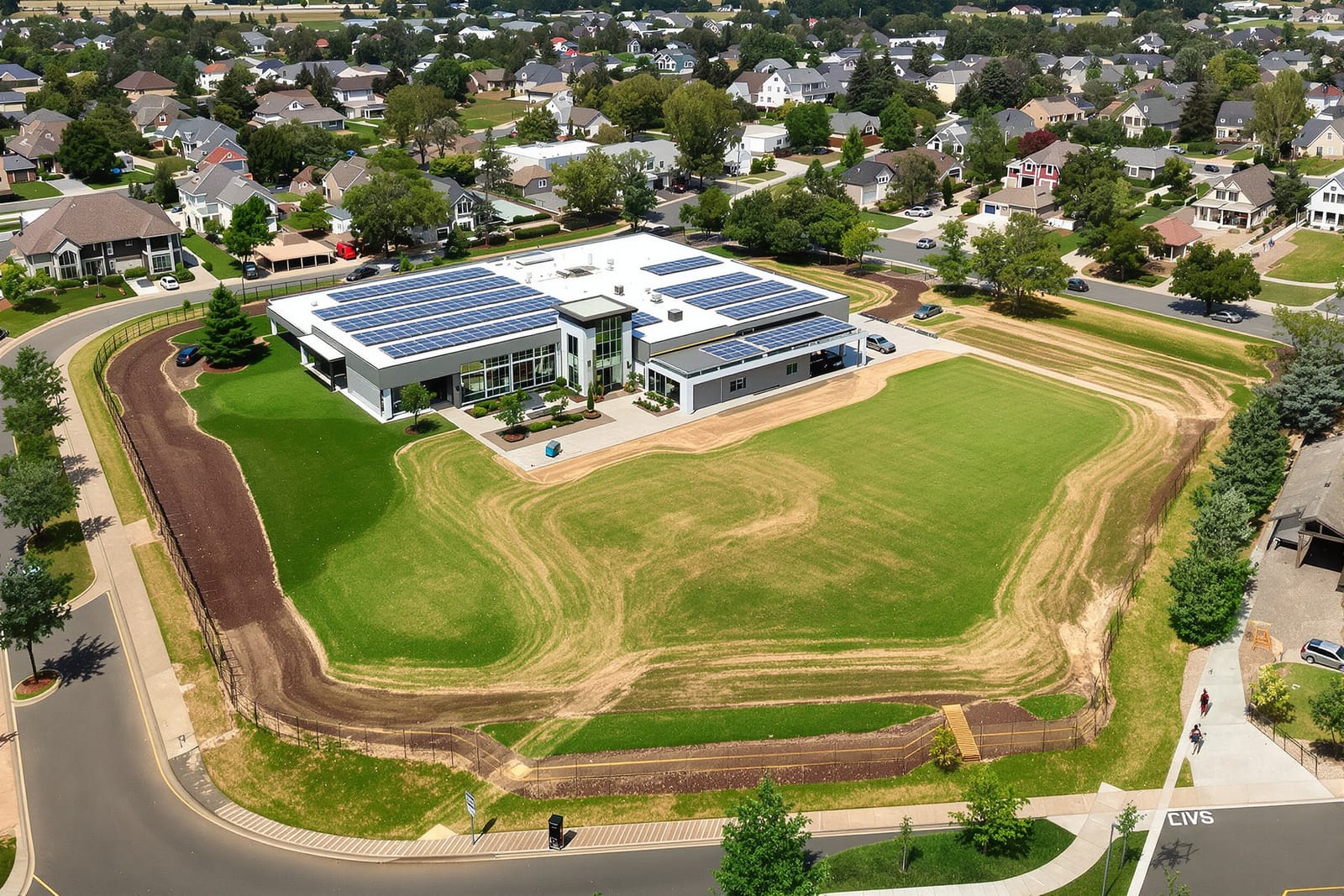
Our solar farm hydroseeding in San Antonio, TX establishes low growing vegetation under and around solar arrays. We use mixes that reduce mowing, minimize dust, and support pollinators without shading panels. Protect your investment with stable, eco friendly groundcover.
Legendary Hydroseeding San Antonio provides professional solar farm hydroseeding throughout San Antonio, TX, Texas and the surrounding area. Our licensed, insured crew delivers safe, clean, on-time work with a free estimate before anything begins. Call 830-590-1696 or request your free quote.
Solar Farm Hydroseeding Tailored to South Texas Sites
Solar farm hydroseeding in San Antonio is very different from seeding a neighborhood lawn. At Legendary Hydroseeding San Antonio, we design each project around panel layout, access road locations, cable trenches, and the specific soils on your site so vegetation supports energy production instead of interfering with it.
Our crews focus on three goals: control erosion, stabilize dust, and maintain a low, manageable plant community under and around the arrays. We understand the rocky caliche, high pH clays, and shallow soils common from San Antonio to Pleasanton and out toward Uvalde. Those conditions shape which seed mixes, mulch types, and application rates will actually take root and survive local drought cycles.
Because San Antonio sits in the transition between Hill Country and South Texas plains, we select native and adapted species that can handle intense sun, minimal irrigation, and occasional flooding from summer storms. We work with both new-build solar farms and energy upgrades on existing facilities, timing hydroseeding around your construction schedule so vegetation establishment fits inspections, energization dates, and warranty requirements.
How Solar Farm Hydroseeding Works Step by Step
For solar farm hydroseeding, we follow a structured process that keeps your construction sequence moving while getting vegetation established quickly.
1) Site review and constraints mapping: We walk or drive the site with your PM or site superintendent. We mark inverter pads, cable paths, O&M building areas, drainage swales, and critical slopes. We identify where you want full vegetative cover and where you need gravel or bare ground for access and firebreaks.
2) Soil assessment: Using simple on-site tests and available geotech reports, we check texture, compaction, and rough grading. In San Antonio we often see compacted subgrade from heavy equipment and thin topsoil stockpiles. That tells us whether we need soil amendments like compost, gypsum, or specific fertilizers in the hydroseeding slurry.
3) Hydroseed mix design: For each zone, we design a different mix. Under-panel areas usually get lower growing species to minimize shading and mowing needs. Perimeter and slope areas get deeper rooted natives for erosion control. We can design mixes to meet project specifications like TxDOT, TCEQ, or lender environmental conditions when required.
4) Surface prep and fine grading: Before we spray, we coordinate with your grading subcontractor to make sure slopes are smooth, rock is knocked down to a manageable level, and any rills or washouts are repaired. On many San Antonio projects we scarify compacted areas so water can infiltrate instead of running off.
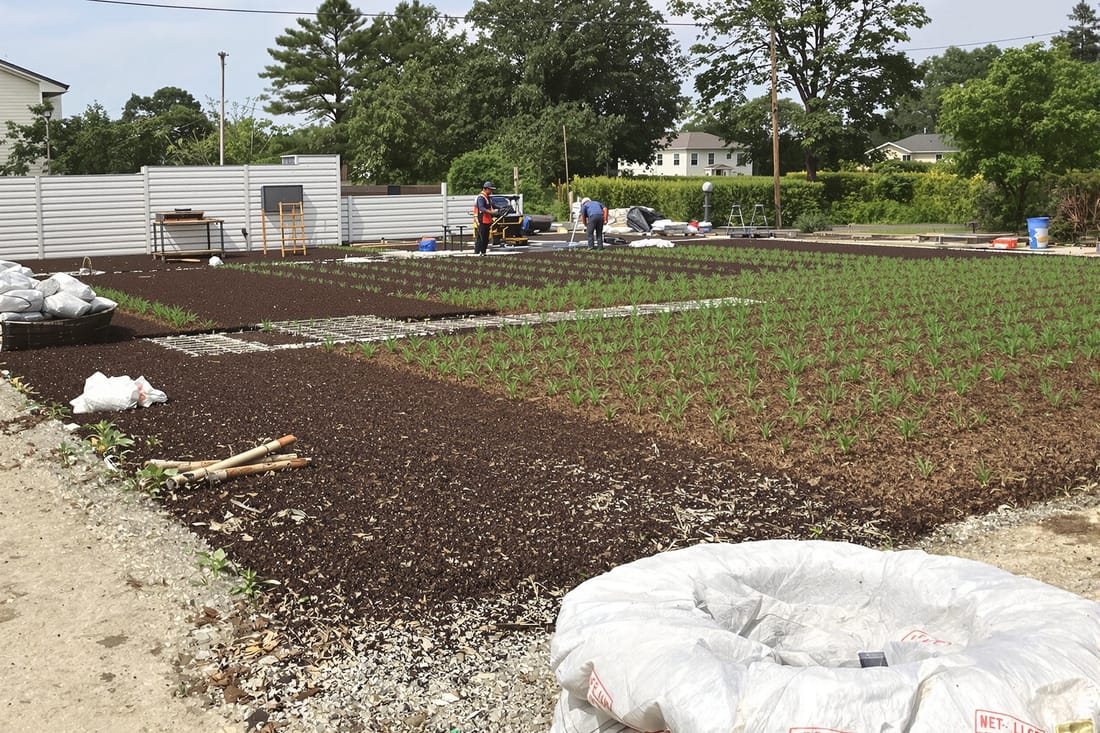
5) Slurry application: Our hydroseed trucks mix water, seed, fertilizer, tackifier, and mulch in precise ratios. We adjust nozzle type and pressure around racking and posts so we reach tight areas without coating electrical equipment. Steeper slopes might get a heavier application rate to resist washout.
6) Post-application walkthrough and plan: Once application is done, we walk the site with your team to confirm coverage, mark access routes, and review watering or monitoring plans. For larger projects, we can provide as-built hydroseeding maps to document which mixes went where.
Seed Mixes, Mulch, and Materials for Energy Projects
Materials matter a lot in solar farm hydroseeding because your panels, cabling, and long-term O&M depend on stable groundcover rather than tall, woody growth.
Seed mixes: Legendary Hydroseeding San Antonio typically recommends native and adapted grasses such as buffalograss, blue grama, sideoats grama, and certain improved bermuda varieties, depending on your tolerance for mowing and your fire management plan. For pollinator-friendly zones around the perimeter, we can add native forbs and wildflowers that meet environmental commitments without creating vegetation that shades panels.
Mulch types: On flatter interior areas we often use paper or blended mulch that breaks down quickly and supports dense turf-like cover. On perimeter slopes and drainage channels, we use heavier wood fiber or bonded fiber matrix products that lock in place during the first heavy rains. Around San Antonio, late spring and fall storms can drop intense rainfall, so matching mulch type to slope and soil is critical.
Tackifiers and binders: Where you have newly cut slopes along access roads or borrow pits, we add tackifier to glue fibers and seed to the soil surface. This is especially important in areas with silty clay, which can crust and shed water. Proper binder selection can mean the difference between vegetation establishing in one season versus constant washouts.
Soil amendments: For highly calcareous or very low organic matter soils common near quarries and on large utility-scale sites, we may include slow-release fertilizer or organic amendments right in the slurry. This helps early root development so plants are better prepared for San Antonio’s heat and water restrictions.
Dealing With San Antonio Weather, Erosion, and Dust
Energy sites around San Antonio face a tough combination of conditions: intense sun, long dry stretches, sudden thunderstorms, and sometimes high winds. Our solar farm hydroseeding plans are built around those realities.
Timing: We aim to hydroseed just before seasonal moisture, usually early spring or early fall, while staying out of your peak construction crunch. If the schedule forces summer or mid-winter application, we adjust species ratios and mulch coverage to compensate for harsher conditions.
Erosion risks: Freshly graded slopes, drainage channels, and inverter pad berms are vulnerable to washouts during the first big storm. To manage this, we may stage the work. For example, we might first stabilize critical channels with heavier mulch and tackifier, then come back after heavy equipment traffic is reduced to treat access roads and under-panel zones.
Dust control: Large solar farms can generate a lot of dust that affects nearby neighbors, public roads, and even panel efficiency during construction. Hydroseeding on disturbed areas that are complete but not yet turned over is one of the most cost-effective dust control strategies. A thin, fast-establishing cover reduces the need for constant water truck runs.
We also watch microclimates. Sites closer to Medina Lake, Canyon Lake, or along the river corridors may hold more moisture, which allows different plant selections compared to sites on exposed ridges west of the city.
Costs, Bidding, and What Drives Your Hydroseeding Price
Solar farm hydroseeding pricing is largely driven by acreage, site access, and specification complexity. Legendary Hydroseeding San Antonio provides detailed, line-item proposals so your GC or project owner can see what affects the budget.
Main cost factors:
• Total treated acres and number of distinct seed zones (under-array, drive lanes, perimeter, detention basins).
• Slope and equipment access. Steep or remote areas may require hose runs or smaller equipment, which increases labor.
• Seed and material specifications. Native heavy mixes, pollinator blends, bonded fiber matrix, and organic amendments cost more than basic blends and lighter mulches.
• Water availability on-site. If you can provide water access from a fill stand or tank, costs are lower than if we must truck water from off-site.
We typically bid from construction drawings and grading plans, then confirm quantities with a site visit. For larger San Antonio and South Texas projects, we can phase work to match your budget and construction milestones, for example, stabilizing perimeter and environmental buffers first and seeding under-panel areas after racking is installed.
Transparent communication is important to us. If you are working within a fixed budget, we can propose alternates, such as using premium erosion control products only on critical slopes and more economical treatments on low-risk flats.
Common Problems on Energy Sites and How We Prevent Them
Utility-scale energy projects have some recurring issues. Our experience on local solar farm hydroseeding jobs helps us avoid surprises.
Uneven germination under arrays: Shade patterns, drip lines from panels, and foot traffic around combiner boxes often cause patchy growth. We address this by selecting species that tolerate partial shade, adjusting seeding rates under panels, and recommending limited access paths for O&M crews so wear is concentrated in planned areas.
Washouts in drainage swales: If swales are not stabilized correctly the first season, they can scour and threaten access roads and trench backfill. We tie our hydroseeding plan into your drainage design, often using heavier mulch, double applications, or a combination of hydroseed and rolled erosion control products where velocities will be higher.
Overly tall or woody vegetation: If the wrong species are used, you end up with heavy mowing requirements and potential shading problems. We avoid tall, woody species in active array zones and focus on shorter, bunch-type or turf-type grasses that stay low and are easier to maintain.
Rework due to construction traffic: Crews and equipment often need to return to “finished” areas for troubleshooting or change orders. Where we know this is likely, we can delay final hydroseeding or use a temporary cover first, then come back with the permanent mix when the risk of disturbance drops.
Why Work With a Local San Antonio Hydroseeding Partner
For solar farm hydroseeding, local knowledge directly affects performance, schedule, and long-term maintenance costs. Legendary Hydroseeding San Antonio is based here, so we understand local permitting expectations, utility standards, and community concerns about dust, runoff, and visual impact.
We are used to coordinating with out-of-state EPCs that are building in Texas for the first time. We can help translate regional soil and weather realities into practical specifications so you do not end up with attractive drawings that fail in the field. Our team is accustomed to security and safety requirements on energy sites, including badging, PPE, and working around energized equipment.
We also know local suppliers and can source seed mixes that match approved regional ecotypes instead of generic blends from far outside Texas. This improves establishment and reduces long-term irrigation and rework costs.
Whether you are developing a utility-scale solar farm outside San Antonio, a battery storage site with perimeter stabilization needs, or a smaller municipal or co-op energy project, we can tailor a hydroseeding plan that fits your schedule and performance requirements. If you share your grading plans and environmental conditions, we can usually return a clear, itemized proposal within a short timeframe and coordinate closely with your site superintendent through project completion.