Home › Native and Wetland Restoration Hydroseeding
Our native restoration hydroseeding in San Antonio, TX reestablishes native grasses and wetland species along streams, ponds, and conservation areas. We use region appropriate seed mixes and erosion control methods to rebuild habitat and stabilize banks. Support ecological goals with efficient seeding.
Legendary Hydroseeding San Antonio provides professional native restoration hydroseeding throughout San Antonio, TX, Texas and the surrounding area. Our licensed, insured crew delivers safe, clean, on-time work with a free estimate before anything begins. Call 830-590-1696 or request your free quote.
Native & Wetland Restoration Hydroseeding in the San Antonio Area
Restoring native landscapes and sensitive wetland edges around San Antonio takes more than a bag of seed. At Legendary Hydroseeding San Antonio, our native restoration hydroseeding is built around the specific plants, soils, and rainfall patterns of South Central Texas. We focus on stabilizing disturbed ground, reestablishing native plant communities, and protecting waterways and recharge zones.
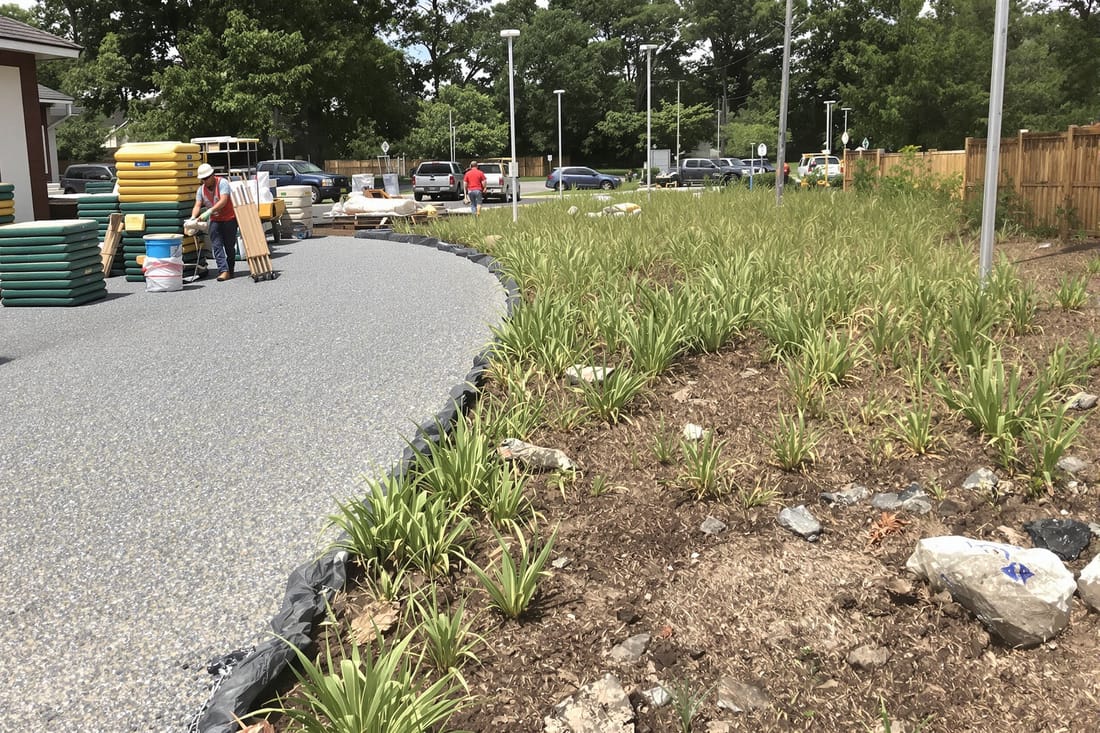
Our team works on creek and river corridors, detention ponds, roadside right of way, floodplain areas, mitigation sites, and private acreage that needs to return to native cover. Because our climate swings from intense heat and drought to sudden heavy storms, the hydroseeding blends and timing we use in Bexar County are different from what you might see in wetter parts of the country.
If you are a landowner, contractor, or public agency trying to comply with permit requirements or fix erosion after construction, we help you choose the right native restoration hydroseeding approach and document the work so it meets local expectations and environmental goals.
Project Evaluation & Site Planning for Native Restoration
Every successful native restoration hydroseeding project around San Antonio starts with a clear look at the site. We walk the property with you to understand previous use, disturbance history, and your goals. Are you trying to stabilize a newly cut drainage channel, convert a mowed lot back to prairie, or restore riparian buffer along a creek? Those questions guide everything that follows.
We evaluate slope, soil texture, drainage patterns, existing vegetation, and access for our hydroseeding equipment. San Antonio often has shallow, rocky soils over limestone or heavy clay that sheds water. That affects how much mulch and tackifier we recommend so seed does not wash off in the first downpour.
For wetlands and low-lying areas, we look carefully at how long water tends to stand after a storm and where it recedes first. This tells us where to use species that tolerate periodic inundation and where to switch to upland natives. We also pay attention to existing invasive species like bermudagrass, Arundo (giant reed), and Johnsongrass, and plan for control before and after hydroseeding so they do not outcompete the new natives.
At the end of this stage, we provide a simple, clear plan that outlines soil prep, seed mix selection, hydroseeding zones, and a realistic establishment timeline tailored to San Antonio conditions.
Custom Native Seed Mixes for Central and South Texas
Using a generic seed blend is one of the biggest mistakes in native restoration hydroseeding. Legendary Hydroseeding San Antonio works with Texas-based seed suppliers that specialize in native and wetland species. We match your project to seed mixes that are proven performers in the Edwards Plateau and South Texas Plains region.
For upland restoration, we build mixes around warm-season native grasses like little bluestem, sideoats grama (the Texas state grass), green sprangletop, switchgrass, and Indiangrass. We add native forbs such as Engelmann daisy, Illinois bundleflower, Maximilian sunflower, and black-eyed Susan to provide pollinator habitat and seasonal color.
For wetland and riparian edges, we shift to species that handle fluctuating water, such as eastern gamagrass, bushy bluestem, Virginia wildrye, Canada wildrye, and selected sedges and rushes where moisture persists. In some projects, we design separate seed zones, one for frequently saturated areas and another for upper banks that dry quickly in San Antonio summers.
We also consider your maintenance capacity. If you prefer low mowing or limited irrigation, we select species that tolerate that. If the site must meet TxDOT, city, or mitigation plan requirements, we build the seed list and proportions to match those specs and provide documentation of purity and origin.
How Native & Wetland Hydroseeding Is Actually Applied
Once the plan and seed mix are set, we schedule work around the best planting windows for San Antonio. For cool-season emphasis and faster cover on disturbed slopes, we often target late fall through early winter. For dominant warm-season natives, late winter through early spring is ideal so seedlings can root before peak heat.
We begin with soil preparation, typically light grading, removing construction debris, breaking up crusted surfaces, and, if needed, applying a shallow roughening pattern to give seed and mulch a place to lodge. On compacted clay, this step is critical to avoid runoff and poor germination.
Our hydroseeding slurry combines native seed with a fiber mulch, a tackifier for adhesion, and, when appropriate, a starter fertilizer labeled for native species and sensitive areas. For steeper slopes or zones prone to sheet flow, we increase mulch rate and tackifier strength to lock the mix in place. In true wetland margins, we adjust water volume in the tank so the slurry flows evenly over soft or damp ground without pooling.
We apply with high-pressure hoses, working from the top of the slope downward so material overlaps slightly and there are no bare stripes. On large acreage, we may stage water trucks or refill points to keep production efficient without shortcuts on coverage. After the first pass, we walk the site again to touch up edges, culvert inlets, pond banks, and any rills or depressions that need extra reinforcement.
Wetland & Riparian Challenges in San Antonio and How We Address Them
San Antonio restoration sites face several recurring challenges: flash flooding, long dry spells, invasive regrowth, and human disturbance. Our native restoration hydroseeding approach is built around those realities, not textbook conditions.
Flash storms can arrive shortly after seeding, especially in late spring and early fall. To reduce washout, we recommend installing biodegradable erosion control blankets or coir logs in concentrated flow paths, along creek bends, and on steep pond banks. We coordinate the hydroseeding so the mulch and seed are in place first, then blankets are installed without dragging across the treated surface.
Because summers are hot and rainfall is unreliable, we design seed mixes and mulch rates that do not rely on frequent irrigation, although supplemental water in the first 4 to 6 weeks can dramatically improve establishment. When irrigation is not feasible, we prefer seeding just ahead of typical rainy periods and choosing drought-tough natives that can withstand some early stress.
Invasive species pressure is high, especially from bermudagrass, Johnsongrass, KR bluestem, and Chinese tallow in wetter spots. We usually suggest a pre-restoration program of mowing and targeted herbicide, followed by monitoring the first two or three growing seasons. We can coordinate with your land manager or maintenance staff on when to mow, where to spot-spray, and how to avoid damaging young natives.
For public and HOA projects where foot traffic or pets may disturb new plantings, we map out practical access points and may use temporary fencing or signage to protect fragile areas until the stand has rooted and filled in.
What Affects Cost and Timeline for Native Restoration Hydroseeding
Customers in San Antonio often ask why native restoration hydroseeding costs more than a basic turf job. The main drivers are site conditions, seed type, erosion control needs, and access.
Native and wetland seed mixes, especially those using local ecotypes or specialty sedges and rushes, are more expensive per pound than standard turf or pasture seed. However, they are applied at lower rates and provide long-term ecological benefits that conventional seed cannot match. The steepness of slopes, the need for blankets or wattles, and the amount of site prep also influence total cost.
Access matters. If our equipment can get close with a large hydroseeder and water support, production is faster and pricing is more efficient. Where we must run longer hose lines, work from roads, or navigate around existing trees and structures, it may take more time to achieve full coverage.
Timeline is driven by both construction schedules and planting windows. For best results, we encourage planning at least one season ahead, especially for regulatory or mitigation projects. That allows us to align seeding with favorable weather, ensure seed availability, and stage erosion control properly instead of rushing after the first big rain has already cut gullies.
Legendary Hydroseeding San Antonio provides itemized proposals that show seed mix costs, mulch and tackifier rates, erosion control materials, and mobilization separately, so you can see exactly where your budget is going.
What to Expect After Hydroseeding and How We Support Establishment
Native restoration hydroseeding is the starting point, not the finish line. We prepare our San Antonio clients for what a realistic establishment period looks like so you are not surprised if the site is not lush in the first month.
In the first 2 to 4 weeks, you will usually see early germinators and cool-season components begin to show, especially if the project includes nurse species for cover. Many of the deeper-rooted warm-season natives take longer, often 6 to 10 weeks, and may not fully express until the following growing season. Wetland margins can be slower as water levels fluctuate.
We provide a basic establishment guide tailored to your project with mowing heights and timing (or where not to mow at all), irrigation suggestions if water is available, and guidance on when to expect weeds and how to manage them without harming natives. On critical or permitted sites, we can schedule follow-up visits to check coverage, document success, and recommend any touch-up hydroseeding or overseeding if needed.
By combining region-appropriate seed mixes, careful installation, and local aftercare knowledge, Legendary Hydroseeding San Antonio helps landowners, HOAs, and agencies turn disturbed ground and marginal wet areas into functional native habitat that can handle San Antonio's weather over the long term.