Home › Government, Municipal, and Institutional Hydroseeding
Our municipal hydroseeding in San Antonio, TX supports city, county, and institutional projects including parks, schools, and public works. We are experienced with public bidding, specifications, and documentation requirements. Get dependable hydroseeding for your next capital improvement project.
Legendary Hydroseeding San Antonio provides professional municipal hydroseeding throughout San Antonio, TX, Texas and the surrounding area. Our licensed, insured crew delivers safe, clean, on-time work with a free estimate before anything begins. Call 830-590-1696 or request your free quote.
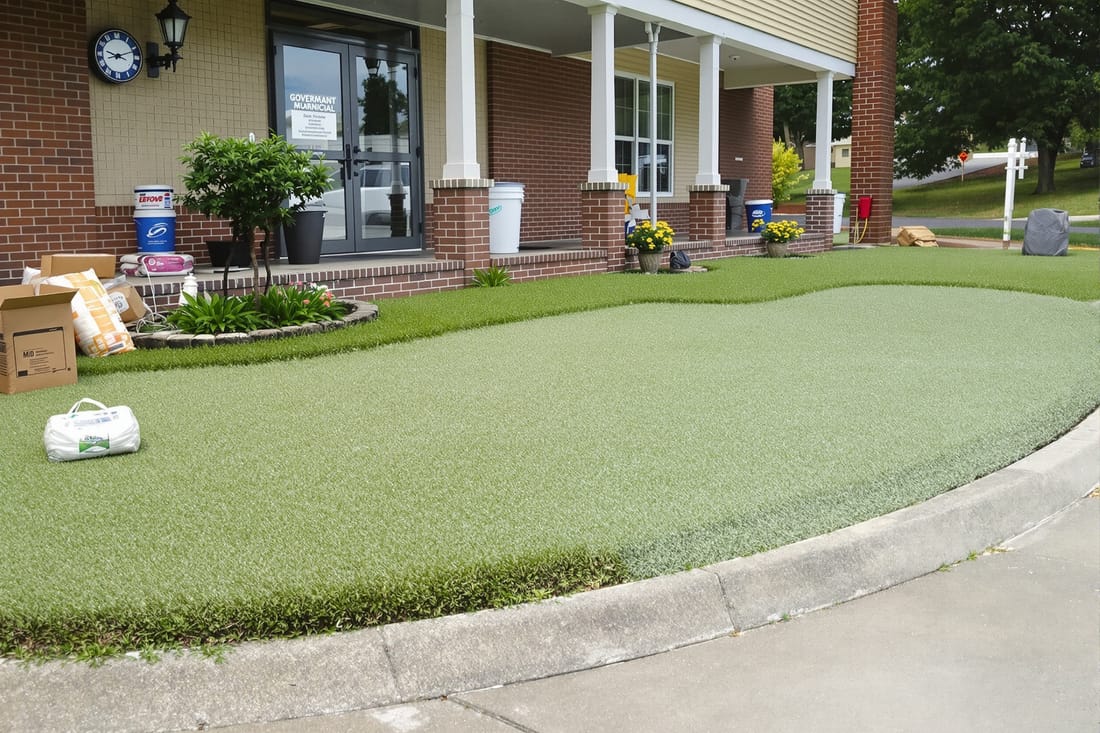
Municipal hydroseeding for San Antonio agencies, campuses, and public projects
Legendary Hydroseeding San Antonio focuses on government, municipal, and institutional hydroseeding across the San Antonio area. Our crews work on roadway right of way, TxDOT projects, city parks, detention ponds, school campuses, and hospital or university grounds. The goal is simple: achieve fast, durable vegetation that controls erosion, satisfies specifications, and holds up in our South Texas climate.
For public work we design each hydroseeding mix around your contract documents, native plant requirements, and long term maintenance plan. That can mean DOT approved turf blends on highways, low mow grass around public buildings, or native wildflower and buffalo grass mixes for environmentally sensitive areas. We are used to coordinating with city engineers, inspectors, and GCs, so we can work within your schedule, staging limits, and safety protocols.
Because San Antonio weather swings from intense sun to pounding storms, our system accounts for both. We build in erosion control where slopes and drainage patterns demand it, then select seed varieties that can handle heat, occasional freezes, and municipal irrigation schedules or even no irrigation at all. Everything is aimed at getting uniform, code compliant coverage as quickly and reliably as possible.
How the hydroseeding process works on public and institutional sites
Every government, municipal, or institutional hydroseeding project starts with site review. Legendary Hydroseeding San Antonio walks the site or reviews plans to identify soil type, slope, drainage, utilities, and access points for large hydroseeding rigs. For new construction we often come in right after final grading and utility work, once heavy equipment traffic is done and compaction issues are clear.
Soil preparation is the next step. For many municipal jobs the biggest problem is heavily compacted clay. Where the spec and budget allow, we recommend scarifying the top 2 to 3 inches, removing construction debris, and, on high visibility areas, tilling in compost or approved soil amendments. On tight schedules we at least roughen the surface to help the mulch mat lock in and keep seed from washing off.
We then load the hydroseeder with water, chosen seed blend, starter fertilizer that meets local regulations, tackifier, and mulch. For municipal work we typically use wood fiber or blended mulches that perform better on slopes than basic paper mulch. The operator keeps the tank agitated so seed and fertilizer stay in suspension, then applies the slurry in overlapping passes from the truck or from hose lines on hard to reach areas.
Coverage density is adjusted based on slope and risk of erosion. Flat athletic fields and medians may get a standard application rate, while drainage channels and stormwater features get heavier mulch and tackifier so they stay in place during heavy rain. After application, we walk the site to check for voids behind curbs, along fences, and around structures, then touch up any thin spots before leaving.
Choosing seed mixes and materials for San Antonio public landscapes
Government and institutional hydroseeding in San Antonio cannot rely on a single generic grass mix. Legendary Hydroseeding San Antonio matches the seed to usage, irrigation, and long term maintenance expectations. For irrigated parks, schools, or athletic fields, we often hydroseed with improved Bermuda grass blends, sometimes combined with rye for winter color if the contract calls for it. In non irrigated right of way or large utility corridors, we move toward drought tolerant native mixes.
On environmentally sensitive or mitigation sites, we work with native grass and wildflower blends that support pollinators and reduce mowing. This can include little bluestem, sideoats grama, and other species on local approved-plant lists. These native projects require tighter timing and weed control, so we usually target them for fall seeding when soil is still warm and natural rainfall is more reliable.
Mulch selection also matters. For standard slopes we use high quality wood fiber mulch. On steeper grades and drainage channels we step up to bonded fiber matrix or fiber plus straw combinations that lock together when wet. Many municipal specs now require specific mulch types and minimum pounds per acre, and we are familiar with meeting those requirements on TxDOT and city projects.
Fertilizer and soil amendments are chosen with runoff and compliance in mind. We use starter fertilizers with controlled nutrient release when possible, and we follow any watershed or MS4 requirements that apply to your project. For campuses and hospitals that want lower maintenance over time, we may recommend a different nutrient program that encourages deeper roots rather than rapid top growth.
Seasonal timing, watering, and establishment in South Texas conditions
San Antonio’s climate drives when and how municipal hydroseeding should be done. Warm season grasses like Bermuda perform best when hydroseeded from late March through early October, when soil temperatures allow quick germination. Native mixes can often be installed in fall, September through November, to take advantage of cooler temperatures and seasonal rains.
Legendary Hydroseeding San Antonio coordinates seeding windows with your construction schedule to avoid wasting public funds on poorly timed work. Seeding in mid winter with warm season grasses usually leads to delays and rework. If a project must proceed out of season to meet contract milestones, we discuss temporary cover options, such as cool season nurse grasses, and set realistic expectations in writing.
Watering is usually the biggest success factor on institutional and municipal landscapes. For irrigated facilities we verify that the system can reach all hydroseeded areas before we start. We often recommend light, frequent irrigation the first 2 to 3 weeks, then a gradual shift to deeper, less frequent watering to build root depth. For non irrigated right of way, we target periods with better rain chances and select mixes that can sit dormant until moisture arrives.
During establishment we advise agencies and facilities to restrict mowing until the grass is tall enough and rooted. Mowing too early on new hydroseeded turf often tears plants out by the roots. We generally suggest first cut at around 3 inches height for common turf species, with a sharp blade and dry surface, then adjusting to your long term maintenance standard.
Costs, bidding details, and what affects municipal hydroseeding pricing
Public and institutional budgets are tight, so we are transparent about what drives hydroseeding cost. The largest factors are total square footage, accessibility for trucks, seed type and rate, mulch type and thickness, and any added erosion control products. Sloped, segmented, or barricaded sites typically cost more per acre than open fields because they require more hose work, staging, and time.
Legendary Hydroseeding San Antonio is comfortable working under formal bids, unit price contracts, or as a subcontractor to general contractors. Our proposals clearly break out materials, application rates, and exclusions, which makes it simpler for purchasing departments and engineers to evaluate. When specs are outdated or conflict with local conditions, we can submit value engineering options that improve performance without increasing cost.
Change orders usually arise when site conditions do not match the plans. Common examples are additional soil preparation needed due to heavy compaction, extra erosion control on unexpected steep grades, or reseeding areas damaged by follow up trades. We document these issues with photos and measurements so owners and CMs have what they need for approvals.
For institutions like school districts or universities managing multiple campuses, we can bundle sites into a single contract with per site pricing. This approach often reduces mobilization charges and allows better coordination around the school calendar, event schedules, and exam periods, while still delivering consistent specifications across all properties.
Common issues on public projects and how we prevent rework
Government and institutional hydroseeding projects face predictable problems: vandalism or foot traffic across wet mulch, heavy rain events that cut rills in new slopes, late changes in grading, and mismatched expectations about how quickly a stand will fill in. Legendary Hydroseeding San Antonio focuses on preventing those issues where possible, and addressing them quickly when they happen.
Before application we look for drainage patterns that may cause washouts and suggest minor grading or added erosion control where cost effective. On higher risk slopes we combine hydroseeding with erosion control blankets or soil binders to keep everything in place until the root system develops. For athletic fields and playground adjacencies we recommend temporary fencing or signage to keep traffic off the new turf.
We also emphasize realistic timelines. In San Antonio conditions, even with good watering, most hydroseeded turf takes 4 to 8 weeks to look full from a distance, and longer to reach final density. Native and low input mixes can take a full growing season to mature. Building these timelines into your project schedule helps avoid unnecessary complaints and premature acceptance inspections.
If a weather event or site change damages an area before final acceptance, we are equipped to mobilize quickly for touch up work. Because we track original seed and mulch rates, we can match the original application precisely, which is important when inspectors verify compliance. Our goal is to keep your project moving to closeout without repeated rework or disputes over vegetation performance.