Home › Residential Hydroseeding
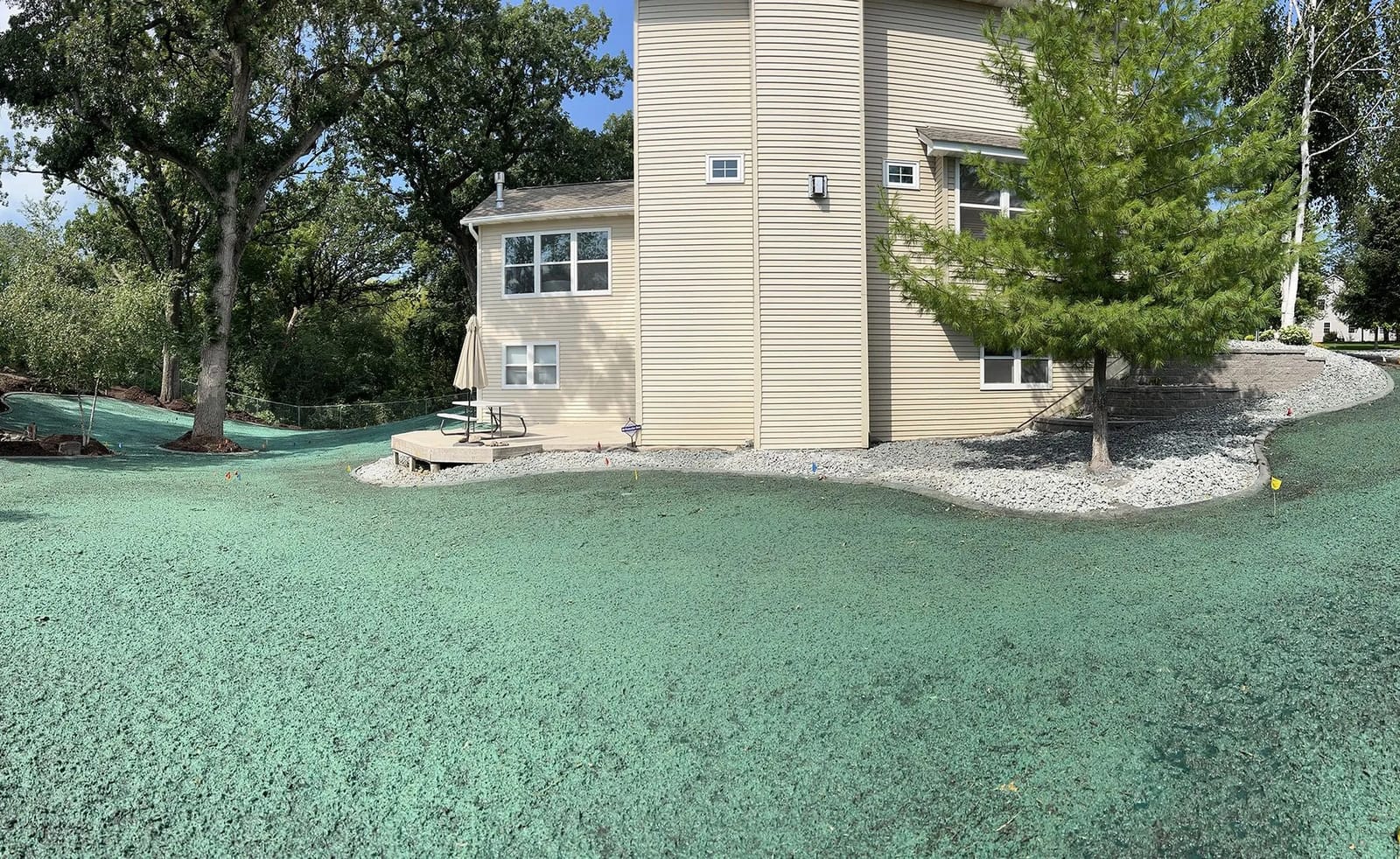
Our residential hydroseeding in San Antonio, TX delivers lush, durable lawns quickly and affordably. We blend premium seed, mulch, fertilizer, and tackifiers for even coverage and strong germination. Enjoy a thick, greener lawn and better erosion control compared to traditional seeding.
Legendary Hydroseeding San Antonio provides professional residential hydroseeding throughout San Antonio, TX, Texas and the surrounding area. Our licensed, insured crew delivers safe, clean, on-time work with a free estimate before anything begins. Call 830-590-1696 or request your free quote.
Residential hydroseeding that fits San Antonio yards
Residential hydroseeding is one of the fastest ways to turn bare dirt into a green lawn in San Antonio, and it works especially well in our hot, dry climate when it is done correctly. At Legendary Hydroseeding San Antonio, we design each mix for real Central Texas conditions, not a generic national recipe. That means we choose seed varieties, mulch, and tackifiers that handle 100+ degree days, occasional water restrictions, and our clay or rocky soils.
Unlike sod, which is rolled out as pre-grown grass, hydroseeding applies a slurry of grass seed, water, mulch, fertilizer, and soil conditioners in one even coat over your prepared soil. The mulch holds moisture and shades the seed, which is important here because direct summer sun can dry the top quarter inch of soil in a matter of hours. When you water properly and we time the installation for the right season, your lawn typically begins sprouting in 5 to 10 days, with usable coverage in about 4 to 6 weeks.
For residential hydroseeding, we can handle everything from a typical San Antonio subdivision lot to a larger property outside the city limits. We often help homeowners who just finished new construction, removed an old patchy lawn, or had a pool or hardscape installed and need all the disturbed soil to come back to life. Our focus is on giving you realistic expectations about coverage, watering, and color based on your specific yard, not just promising a TV commercial lawn in two weeks.
How the residential hydroseeding process works at your home
Our process starts with a quick site visit and soil check. We look at sun exposure, drainage patterns, existing weeds, and how compacted the soil is. In many San Antonio neighborhoods, the top few inches are heavily compacted from construction traffic, which prevents roots from going deep. When needed, we recommend core aeration or light tilling before hydroseeding so the roots can anchor and access moisture better.
On installation day we first clear debris and existing weeds at the surface level. If there is a heavy weed infestation, we may suggest a targeted herbicide treatment a week or two before hydroseeding so weed seeds do not compete with your new grass. We then grade and smooth the soil so water does not pool in low spots and so you do not end up with bumpy areas once the grass is established.
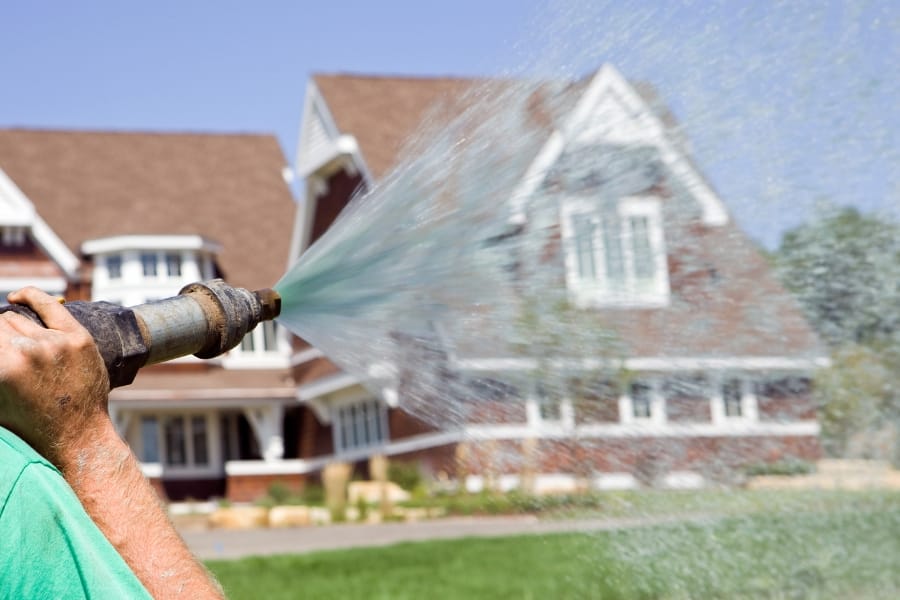
Next we prepare the slurry in our hydroseeding tank. For most residential hydroseeding projects in San Antonio, the mix includes a high quality grass seed blend, wood or paper mulch, a starter fertilizer that matches your soil conditions, and a tackifier that helps the mix cling to slopes and resist being washed away in a thunderstorm. We then spray the slurry evenly over the entire area using hoses and fan nozzles so coverage is uniform against fences, walks, and flower beds.
Before we leave, we walk the yard with you and give detailed watering instructions tailored to the time of year and your irrigation system. For example, in late spring or early fall we might recommend 3 to 4 light waterings per day for the first 2 weeks, each only a few minutes long, to keep the top layer consistently damp without creating puddles. We also mark off the area or advise you where to place temporary stakes and caution tape so kids, pets, and lawn crews know to stay off the new lawn while it is germinating.
Choosing the right grass and options for your San Antonio property
One of the biggest advantages of residential hydroseeding is that you can choose the grass type and blend that matches how you actually use your yard. Legendary Hydroseeding San Antonio will walk you through the pros and cons instead of defaulting to just one grass for everyone. For sunny front yards with full exposure, we might recommend a blend that focuses on Bermuda or buffalo grass, which handle high heat and heavy foot traffic well. For backyards with partial shade from oak or pecan trees, a different mix with more shade tolerance may be better.
If you want a lawn that looks green longer into the cooler months, we may add a cool season component or offer an overseeding plan so your yard stays attractive when warm season grasses slow down. We also offer premium blends that include improved varieties with better drought resistance and finer texture at a slightly higher seed cost, which can make sense if you want a very uniform, manicured look.
Beyond grass choice, there are other options. On steeper slopes, we can increase the mulch and tackifier in the mix so it stays put during sudden Texas downpours. If you have particularly poor or rocky soil, we can add soil amendments to improve structure and nutrient availability right in the hydroseeding mix. For homeowners aiming for low maintenance, we can design a lower water use blend and suggest a mowing and fertilization schedule that does not require constant attention.
We also help you think about how hydroseeding interacts with existing features like trees, beds, and walkways. For example, we usually stay a few inches away from the base of mature trees and recommend a simple mulch ring so you do not have to fight grass that keeps creeping into the trunk flare. Around patios and pool decks, we fine tune the edge spraying so you get clean lines and fewer stray plants popping up in cracks.
What affects the cost of residential hydroseeding in San Antonio
Homeowners usually want to know what really drives the price of residential hydroseeding and how it compares to sod. In general, hydroseeding costs significantly less per square foot than installing sod, especially on larger yards, because you are not paying for months of farm-grown grass and the labor to lay individual pieces. The key cost factors are square footage, site preparation needs, the type of seed blend, and how complex the access is to your yard.
Square footage is straightforward: bigger yards require more seed, mulch, fertilizer, and time. However, two same-size yards can have different prices if one needs extensive prep. If your lot is relatively smooth bare soil after new construction, prep is minimal. If your yard has old dead turf, thick thatch, or ruts from equipment, we may need to factor in extra grading, hauling, or aeration. Clearing out stubborn Johnson grass or other invasive species may also require an initial treatment before hydroseeding.
Seed choice has a smaller but real effect. Standard residential blends are the most economical. Upgraded proprietary or coated seed varieties cost more but can germinate more consistently in challenging spots, like areas with reflected heat from stone walls. If you want extra erosion control products in areas with noticeable slope, that will also change material costs a bit.
Access to the yard can either simplify or complicate things. If we can park close and easily run hoses, the job goes faster and stays on the lower side of the price range. Tight gates, long hose runs, or the need to protect extensive landscaping while we work all add time. During the estimate, Legendary Hydroseeding San Antonio will walk the property with you, point out any items that affect cost, and explain how skipping or adjusting certain prep steps could impact results so you can make an informed decision instead of a blind guess.
Timing, aftercare, and common San Antonio issues we help you avoid
In San Antonio, timing has a big impact on how well residential hydroseeding performs. The sweet spots are usually late spring and early fall, when soil temperatures are warm enough for quick germination but the air temperature is not at peak summer extremes. We do hydroseed in summer, but when we do, we coordinate closely on watering schedules and may recommend more drought tolerant blends so the new grass can survive those first critical weeks.
Watering is the most common point of failure for DIY attempts and for homeowners who are not given clear instructions. The top half inch of soil must stay consistently moist, not soaked, for the first 2 to 3 weeks. If it dries out repeatedly between waterings, germination will be patchy. If you overwater and create puddles, seed can float and pile up in low spots. We help you program your irrigation controller, or we give a simple hand watering schedule, and we remind you to check spray patterns so fences and sidewalks are not getting more water than the lawn.
Weeds are another real world issue. Even when we apply a clean seed mix, weed seeds already in the soil can sprout right along with your grass. Instead of pretending this will not happen, we explain what to expect. In the first month, we recommend focusing on getting the grass established rather than spraying herbicides. Once the new lawn has been mowed two or three times, we can suggest selective weed control options that are safe for your grass type.
Mowing and traffic also matter. Your first mow usually happens when the new grass reaches about one third higher than your target height, often around 3 to 4 weeks in mild weather. We urge you to use a sharp blade and remove only the top third of the grass blades to avoid stressing young plants. Heavy play, dog traffic, and parties on the new lawn should wait until the root system has thickened, which can take 6 to 8 weeks. Legendary Hydroseeding San Antonio provides a simple aftercare checklist so you know exactly what to do in weeks 1, 2, 4, and 8, which reduces the chance of thin spots, erosion, or early damage.