Home › Landfill and Mine Reclamation Hydroseeding
Our landfill reclamation hydroseeding in San Antonio, TX helps close and restore landfills, quarries, and industrial sites. We apply deep rooted, low maintenance seed mixes over caps and steep faces to control erosion and improve appearance. Achieve long term stabilization and regulatory compliance.
Legendary Hydroseeding San Antonio provides professional landfill reclamation hydroseeding throughout San Antonio, TX, Texas and the surrounding area. Our licensed, insured crew delivers safe, clean, on-time work with a free estimate before anything begins. Call 830-590-1696 or request your free quote.
Landfill and mine reclamation hydroseeding in San Antonio
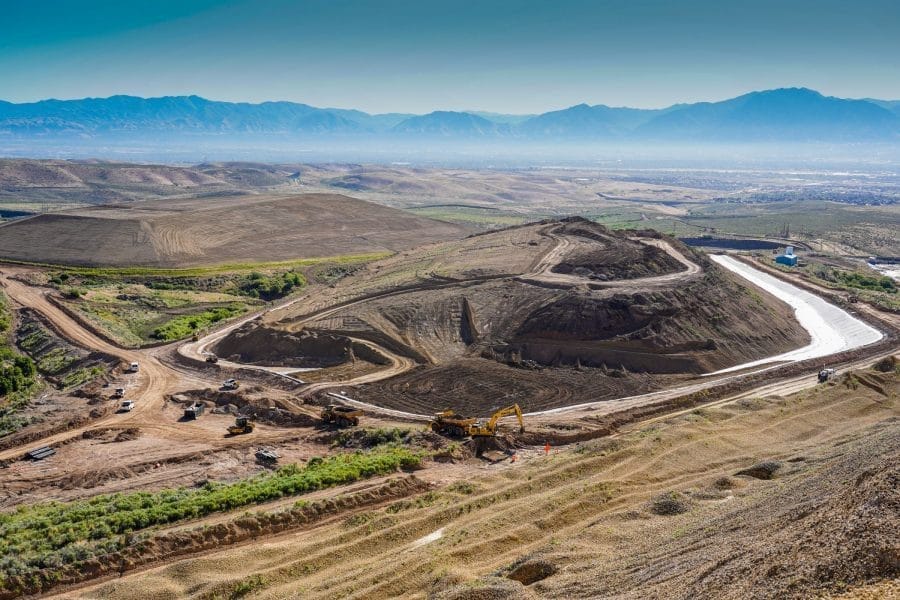
Closed landfills and disturbed mine sites around San Antonio do not just need to look green. They must control erosion, protect water quality, and meet strict closure standards. Legendary Hydroseeding San Antonio focuses on landfill reclamation hydroseeding that is engineered for our rocky Hill Country soils, heavy storm cells, and long summer droughts.
We work with municipal landfills, private transfer stations, sand and gravel pits, and small legacy mine sites across Bexar County and surrounding areas. Our team understands TCEQ expectations for final cover, slope stabilization, and sediment control, and we design hydroseeding plans that help you meet those conditions efficiently. Whether you are stabilizing a new cell cap, repairing eroded slopes along a haul road, or closing a small private landfill, we build a site specific approach instead of using a one mix fits all solution.
From the first visit, we treat your reclamation project as a long term land management issue, not a one time spray. That means proper grading and surface prep, appropriate seed and mulch selection for our region, realistic expectations about establishment time, and clear follow up recommendations so the vegetation survives more than one season.
How landfill reclamation hydroseeding actually works
Effective landfill and mine reclamation starts with the soil and slopes that are already in place. On capped landfill cells around San Antonio, we first check that final cover soil is at the required depth and free of large debris that could interfere with mulch contact. On mine or quarry sites, we look for compacted areas, steep cut faces, and zones where fine material may wash away during a storm.
Our crews then coordinate with your grading or closure contractor to finish surface shaping. This often includes smoothing rills and gullies with a dozer or skid steer, knocking down high spots, and establishing drainage benches and diversion swales so water does not shoot straight down a long slope. If needed, we may recommend tracking perpendicular to the slope with a dozer or using a harrow pass to create micro ridges that help the slurry stay in place.
Once the surface is prepared, we apply soil amendments if they are part of your closure plan. On many San Antonio area sites, the final cover soil is low in organic matter and nutrients. We can incorporate compost, starter fertilizer, and pH correction products through the hydroseeder tank so they are evenly distributed with the mulch. For extremely poor or rocky material, we may suggest a separate compost blanket or topdressing before hydroseeding so roots have something to establish in.
The hydroseeding itself combines water, seed, mulch, tackifier, and any specified soil amendments into a thick slurry. Using high pressure hoses, our crew sprays this mixture over the reclamation area in overlapping passes, paying special attention to slope transitions, drainage channels, and tie in points with existing vegetation. We adjust application rates based on slope angle, exposure, and risk of overland flow so that high risk zones receive heavier coverage.
Seed mixes and mulch options tailored to South Texas sites
One major difference between successful and failed landfill reclamation hydroseeding in this region is seed selection. Legendary Hydroseeding San Antonio does not use a generic national mix. Instead, we build custom blends that are suited to Bexar County rainfall patterns, high summer temperatures, and alkaline soils.
Typical warm season mixes may include native and adapted grasses like sideoats grama, green sprangletop, buffalograss, and improved bermudagrass varieties, often combined with quick cover annuals such as oats or annual rye (depending on the season) to provide fast erosion protection. On mine reclamation sites where rapid dust control is critical, we may increase the proportion of quick establishing species just to get early cover while the natives fill in over time.
Mulch choice is just as important as seed choice. For most final cap slopes and gently rolling areas, we use a high quality wood or paper cellulose mulch at rates that match your slope conditions. On steeper faces or highly erodible mine spoils, we may step up to bonded fiber matrix products with built in tackifiers that form a more durable mat. Where regulators or engineers specify, we can combine hydroseeding with rolled erosion control blankets, hydroseeding first, then installing blankets in critical channels or steep swales.
If your closure plan calls for specific native species or pollinator habitat, we coordinate with local seed suppliers who understand South Texas genetics, and we document the exact species and rates applied. This helps you during TCEQ or municipal inspections when proof of species and coverage is requested.
Local regulations, compliance, and documentation support
Landfill and mine reclamation in San Antonio is closely tied to regulatory compliance. Many projects must satisfy Texas Commission on Environmental Quality (TCEQ) permit conditions, local stormwater regulations, or specific closure plans prepared by engineers. Legendary Hydroseeding San Antonio works within those frameworks instead of treating hydroseeding as an afterthought.
Before we step on site, we review your closure drawings and any erosion control notes. If you have a Stormwater Pollution Prevention Plan (SWPPP) for the facility, we align our scheduling and staging areas with its requirements so we do not inadvertently damage silt fences, berms, or sediment basins. When needed, we coordinate with your environmental consultant so our seed mix and mulch types match what they have specified in reports filed with TCEQ or the City of San Antonio Development Services Department.
During application, we track mix recipes, coverage rates, and weather conditions. After completion, you receive a simple packet summarizing areas treated, seed species and pounds per acre, mulch types and rates, and any soil amendments used. This record can be useful if you are asked for documentation during inspections or future audits. For projects that require phased closure reports, we can break out quantities by cell or slope to match your engineer's stationing.
If inspectors identify bare spots or erosion issues during the warranty or monitoring period, we are prepared to return for touch up hydroseeding or additional stabilization measures. Our goal is to help you get through the inspection cycle with fewer surprises by planning for realistic maintenance instead of assuming one application will solve every issue.
Cost factors and how to budget your reclamation project
Pricing for landfill reclamation hydroseeding varies based on several practical factors, and understanding them helps you budget accurately and evaluate bids fairly. The main drivers are total square footage, slope steepness, access for equipment, seed and mulch specifications, and the condition of the soil surface when we arrive.
Large, gently sloped areas with good access roads typically have a lower cost per square foot because our hydroseeding rigs can move efficiently and hose runs are shorter. Steep or difficult areas, for example the outside slopes of older cells or highwall faces on mine sites, require more hose time, heavier mulch rates, and often additional tackifiers, all of which increase the per acre cost.
Custom seed mixes with high native content or special habitat species also cost more than basic turf or pasture blends. If your closure plan calls for specific natives, we source those early to avoid supply shortages, which can also affect pricing. Similarly, bonded fiber matrix products and compost additives are more expensive than standard cellulose mulches, but they may prevent repeated repairs in high risk zones.
Another significant cost factor is surface preparation. If your crew leaves the subgrade relatively smooth and free of debris, our team can focus on hydroseeding. If we must spend extra time addressing rills, rocks, or compaction, that labor adds to the total. We are transparent about these items up front, and we are happy to walk the site with you to identify ways your grading contractor can prepare the area to keep hydroseeding costs predictable.
Common field challenges and how we handle them
San Antonio landfills and mine sites face some repeat challenges: intense thunderstorms, long dry spells, high winds across open caps, and variable soil quality. Legendary Hydroseeding San Antonio plans for these issues in advance so your reclamation stands a better chance of passing inspections and staying stable.
Thunderstorm erosion is a frequent problem on newly seeded slopes. To reduce washouts, we may recommend staggered hydroseeding in phases, treating the upper slopes first, confirming drainage is working, then finishing lower sections. On extremely vulnerable slopes, combining hydroseeding with check structures, rock berms, or erosion control blankets in drainage paths can significantly reduce gully formation.
Drought stress is another concern. We set realistic expectations about irrigation, because most landfill and mine sites do not have permanent watering systems. When limited water trucks are available, we suggest a watering schedule focused on the first few weeks after germination and choose species that can go dormant and recover from episodic moisture. Timing is important too, and we often recommend seeding windows in late fall or early spring that take advantage of cooler temperatures and seasonal rains.
Wind across exposed caps can dry out seedbeds quickly. To counter this, we increase mulch rates on ridge lines and highly exposed faces, use tackifiers that improve adhesion, and orient our spray pattern to minimize shadowed strips. If previous attempts at reclamation have failed, we look at those patterns first to adjust application techniques rather than repeating the same method and hoping for different results.
What to expect when you work with Legendary Hydroseeding San Antonio
Our landfill reclamation hydroseeding process is designed to be straightforward for facility operators, engineers, and contractors while still addressing the complexity of these sites. After your initial call or email, we schedule a site visit to walk key areas with you, review any closure drawings, and clarify the performance goals: erosion control only, habitat creation, compliance with a particular permit, or a combination.
Next, we provide a written proposal that outlines the seed mix, mulch and tackifier types, application rates, and any optional upgrades such as native heavy blends or bonded fiber matrix on steep slopes. We also identify any site preparation items that your staff or contractors can handle ahead of time to keep costs in line. If your project is phased by cell, we can break the work into stages and schedule accordingly.
On mobilization day, our crew arrives with hydroseeding equipment, water supply arrangements (either on site or through coordinated fills), and any erosion control materials specified. We maintain communication with your site contact so active haul roads and landfill operations are not disrupted. Once spraying is complete, we walk the area to catch thin spots, then provide you with the documentation package.
After the first rainfall events, you can expect to see germination starting in 7 to 21 days depending on species and season. We encourage clients to contact us with photos or questions if certain areas appear weak, so we can advise on watering, traffic control, or touch up needs. Our objective is simple: to help San Antonio landfill and mine operators turn disturbed ground into stable, vegetated cover that stands up to local weather and regulatory scrutiny.