Home › Dust Control and Soil Stabilization
Our dust control hydroseeding in San Antonio, TX uses hydromulch and soil binders to stabilize exposed soils. We treat vacant lots, stockpiles, and construction areas to reduce dust complaints and environmental impacts. Get fast, spray applied control without constant watering.
Legendary Hydroseeding San Antonio provides professional dust control hydroseeding throughout San Antonio, TX, Texas and the surrounding area. Our licensed, insured crew delivers safe, clean, on-time work with a free estimate before anything begins. Call 830-590-1696 or request your free quote.
Dust control hydroseeding that actually works in San Antonio conditions
Loose, dry soil and steady South Texas wind are a bad combination. On construction sites along Loop 1604, new subdivisions off Highway 281, or rural driveways in Bexar County, exposed dirt can turn into a constant dust problem that affects neighbors, workers, and nearby roads.
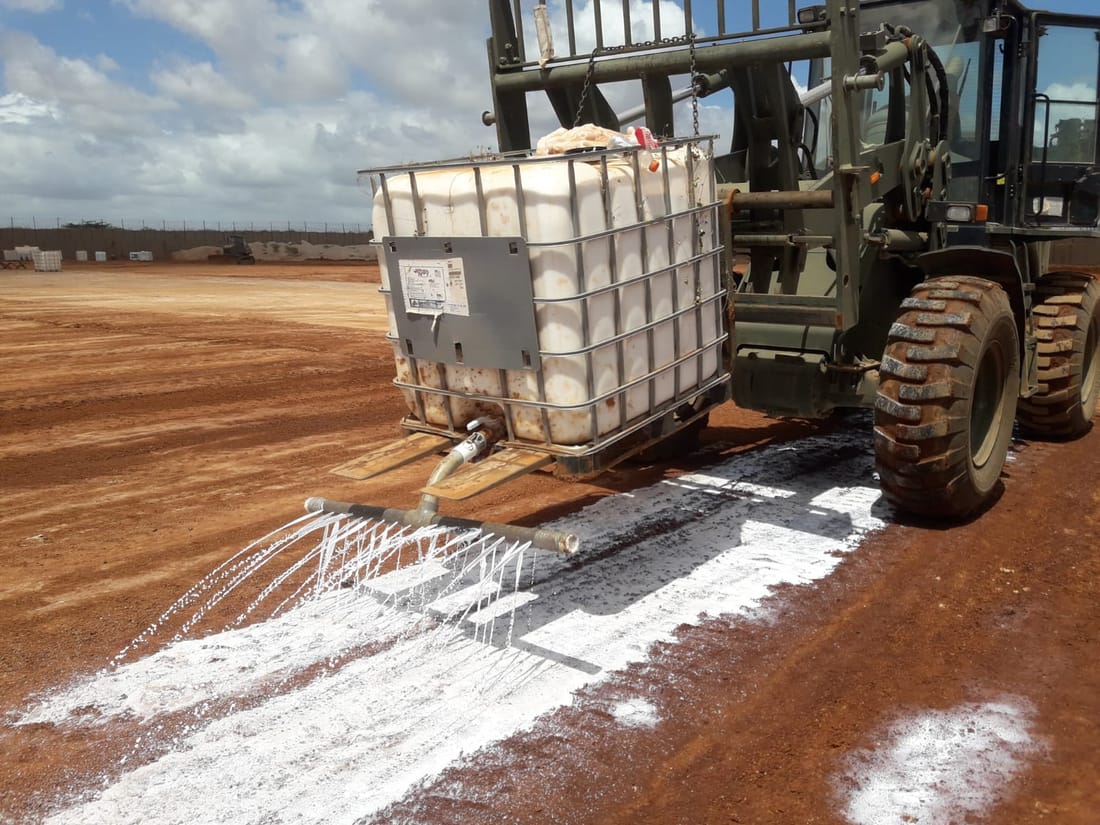
Dust control hydroseeding is one of the most effective ways to lock that soil in place quickly. Instead of spraying plain water or relying on short‑lived chemical dust suppressants, Legendary Hydroseeding San Antonio applies a slurry that combines water, tackifier (a glue‑like binder), wood or paper mulch, and sometimes seed or fiber additives, depending on your goals. Once it dries, it forms a flexible crust that holds fine particles down so they are far less likely to become airborne.
For soil stabilization on slopes, drainage channels, or large pads that will later be built on, we adjust the mix to strengthen bond and erosion resistance. In practical terms, that means your haul roads stay safer, sediment stays out of curb inlets and creeks, and you spend less time regrading rutted or blown‑out areas.
In San Antonio, we also plan around our weather patterns. We account for high summer heat that can bake the surface, sudden thunderstorms that can wash weak treatments away, and caliche or clay soils that behave differently from sandy soils on the Far West Side. Every dust control hydroseeding job we do is tailored to the actual dirt and exposure on your site, not a one‑size‑fits‑all mix from a catalog.
How our dust control hydroseeding process works on your site
Our goal is to give you a clear, predictable process. Here is how dust control and soil stabilization typically go with Legendary Hydroseeding San Antonio from the first visit to the finished surface.
1. Site walk and soil assessment. We start on foot, not from a truck window. We check soil type (clay, caliche, sandy loam), moisture, existing vegetation, traffic patterns, and wind exposure. A subdivision cut on the North Side will be treated differently than an oilfield laydown yard south of town.
2. Define your priorities. Some clients only need short‑term dust control until vertical construction starts. Others want long‑term slope stabilization with vegetation for a detention pond, highway embankment, or large acre lot. We discuss your schedule, budget, required compliance (city, county, or TxDOT), and whether future grading is planned.
3. Surface preparation. We remove large debris, smooth out deep ruts or wheel tracks, and lightly roughen polished areas so the slurry can key into the soil. On very compacted pads, we may recommend a light scarifying pass so the tackifier can bond properly instead of just sitting on top.
4. Custom slurry mix design. Once we understand the site, we choose mulch type (wood, paper, or blended), tackifier rate, and optional additives. For pure dust control hydroseeding on active construction pads, we usually use higher tackifier rates and heavier mulch loads. For long‑term stabilization, we may incorporate a native grass seed mix suited to San Antonio such as buffalograss, blue grama, or native bermuda, along with soil amendments if needed.
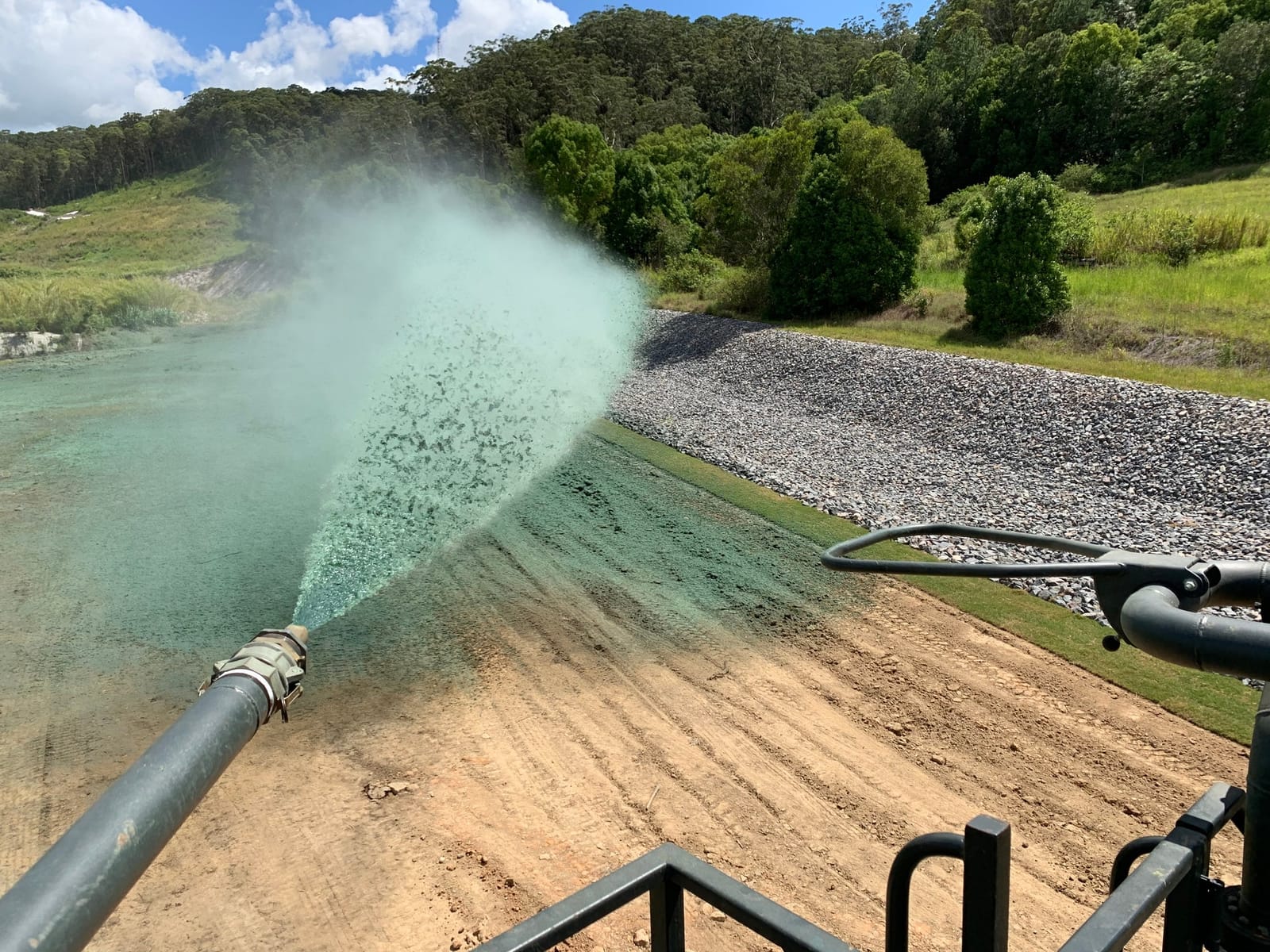
5. Application. Using our hydroseeding rigs, we spray the slurry in overlapping passes so there are no thin spots. For tight residential infill lots near central San Antonio, we may run hose lines instead of the turret to avoid overspray. On large commercial pads or roadway embankments, we use the turret for reach and efficiency.
6. Curing and follow‑up. The treated surface usually sets within a few hours, depending on temperature and humidity. We advise you on when to allow light traffic back on the area and where to install temporary barriers. If heavy rain or unexpected equipment traffic damages sections in the first days, we can spot repair those areas before they turn into bigger problems.
Materials, options, and what actually drives the cost
Dust control hydroseeding is not a simple flat‑rate spray. Several real‑world factors affect price and performance, and understanding them helps you compare apples to apples when you get quotes.
1. Area size and access. Larger sites around San Antonio often have better pricing per square foot, but difficult access can offset that. If we can park the truck and spray with the turret, it is more efficient than pulling hoses 300 feet through tight backyards or down a steep creek bank.
2. Mix design and product choice. Lightweight mixes with low tackifier rates are cheaper but typically do not last as long, especially with our gusty spring winds. Higher mulch rates, premium wood fiber, and stronger tackifiers cost more up front but can prevent you from having to re‑treat entire areas after one storm. We explain the trade‑offs and document the exact blend we are applying.
3. Duration of control needed. For a short‑term staging yard that will be disturbed in a month or two, we usually recommend a cost‑effective dust control slurry without seed. For long‑term soil stabilization on detention ponds, HOA common areas, or large estate lots north of San Antonio, we add seed and sometimes fertilizer, which adds cost but also creates permanent vegetative cover.
4. Slope and risk level. Flat pads for warehouse projects along I‑10 usually need lighter rates than a 3:1 or steeper slope visible from a public roadway. Steeper or highly visible areas often justify reinforced mixes or double passes, because failure would be more costly in complaints, rework, and possible citations.
5. Water availability. Hydroseeding uses a lot of water. If we can refill from a hydrant with proper permits or an on‑site water source, costs stay lower. If we must haul water long distances to a rural Bexar County property, that will affect the price.
We always provide written scope details, including square footage, mix type, and application rates. That way, when you compare our proposal to another contractor, you can see if they are quoting the same level of dust control hydroseeding or something lighter that may not survive a San Antonio thunderstorm.
Local challenges we solve: wind, sudden storms, and tough soils
San Antonio sites present a specific mix of challenges that generic dust control sprays often cannot handle. Legendary Hydroseeding San Antonio has adjusted its approach over years of working across Bexar County and the surrounding Hill Country.
Wind exposure. On open tracts near Braunig Lake, Calaveras Lake, or the wide‑open West Side, wind can strip light mulch right off the surface. For these sites, we increase both mulch loading and tackifier rates and may schedule application for calmer morning hours. We also pay attention to prevailing wind direction when setting up passes to reduce overspray and loss.
Flash storms. Our region can go from bone dry to a two‑inch downpour in one afternoon. Weak dust suppressants or under‑applied hydro mulch often wash straight into storm drains and creeks. For areas near drainage inlets or creeks like Salado and Leon Creek, we often recommend erosion‑control grade hydroseeding blends, sometimes paired with silt fence or compost filter socks in key locations.
Soil variability. New subdivisions often expose caliche layers that do not absorb water well and can be slick when wet. In contrast, older neighborhoods around Alamo Heights or Terrell Hills may have richer topsoils. We change nozzle selection, slurry thickness, and tackifier type based on how each soil behaves. On very powdery cut slopes along roadways, we might apply a first light “primer” coat, then follow with a heavier pass once there is some initial bond.
Heavy equipment traffic. Active job sites do not stop just because we have stabilized an area. We work with your superintendent to sequence treatments so haul roads and laydown yards stay functional. On truck routes, we may treat shoulders and adjacent areas aggressively while leaving the main path for gravel. Where trucks must cross treated zones, we flag those locations and discuss track‑out controls so you do not lose your dust control layer at every crossing.
Regulatory and neighbor concerns. Dust leaving your property can trigger complaints, project delays, or inspections. Our dust control hydroseeding approach focuses on stabilizing the highest risk areas that generate airborne dust, such as stockpiles and high traffic corners, to keep you ahead of problems instead of constantly reacting.
What San Antonio customers should know before hiring for dust control hydroseeding
If you have never hired a dust control or soil stabilization contractor before, it can be hard to tell strong proposals from weak ones. Here are practical questions and expectations that will help you make a solid decision for your San Antonio property or project.
Ask about mix specifics, not just “hydroseeding.” A reputable company should tell you the mulch type, tackifier brand or type, application rates in pounds per acre, and whether any seed or fertilizer is included. If a bid just says “dust control hydroseeding” with no details, you have no way to know how long it will last.
Confirm local experience. Conditions at a rocky lot near Stone Oak are different from a flat pad on the South Side. Ask where the contractor has done similar work locally, and what adjustments they make for our wind and storm patterns. Legendary Hydroseeding San Antonio can point to subdivision developments, commercial sites, and rural acreages where our treatments have held up through typical San Antonio weather.
Clarify what “warranty” really means. Dust control is influenced by weather and site use. No one can guarantee that an area driven over by heavy trucks will stay perfect. What we can do is set clear expectations upfront, identify fragile zones that might need extra protection, and outline what is covered if there is an early failure not caused by misuse.
Plan around your schedule. If you know a section of your site will be active with grading next week, it makes more sense to treat the areas that are truly finished first, such as lot perimeters, stockpile faces, or completed slopes. We can phase dust control hydroseeding so you get maximum benefit and minimal rework.
Know what maintenance is realistic. For long‑term soil stabilization that includes seeding, you will need some basic follow‑through, such as avoiding unnecessary traffic, watching for rills or washed areas after storms, and sometimes supplemental watering in the driest months. We provide simple maintenance guidelines tailored to each site so your investment keeps working.
If you are dealing with constant dirt on nearby streets, neighbor complaints, or repeated regrading, dust control hydroseeding might be the most cost‑effective way to get ahead of the problem. Legendary Hydroseeding San Antonio is happy to walk your site, talk through options, and design a treatment that balances cost with real, measurable control of dust and soil movement.